epigram
Other forms: epigrams
An epigram is a short, clever remark. One of Oscar Wilde's many memorable epigrams is "I can resist everything but temptation."
Epigram comes from the Latin word epigramma, which means "an inscription." If you've ever seen an inscription on, say, the back of a watch, you know the writing has to be brief. It won't surprise you, then, that epigrams are very short poems, sayings, or famous quotations, like Benjamin Franklin's "Little strokes fell great oaks," a memorable reminder to keep working toward big goals or to pay attention to little details, the opposite of an epigram from our era: "Don't sweat the small stuff."
-
a witty sayingsynonyms: quip
-
a short, witty, and often satirical poem focusing on a single topic or observation
- MLA
- APA
- Chicago
epigram / epigraph
Vocabulary lists containing epigram
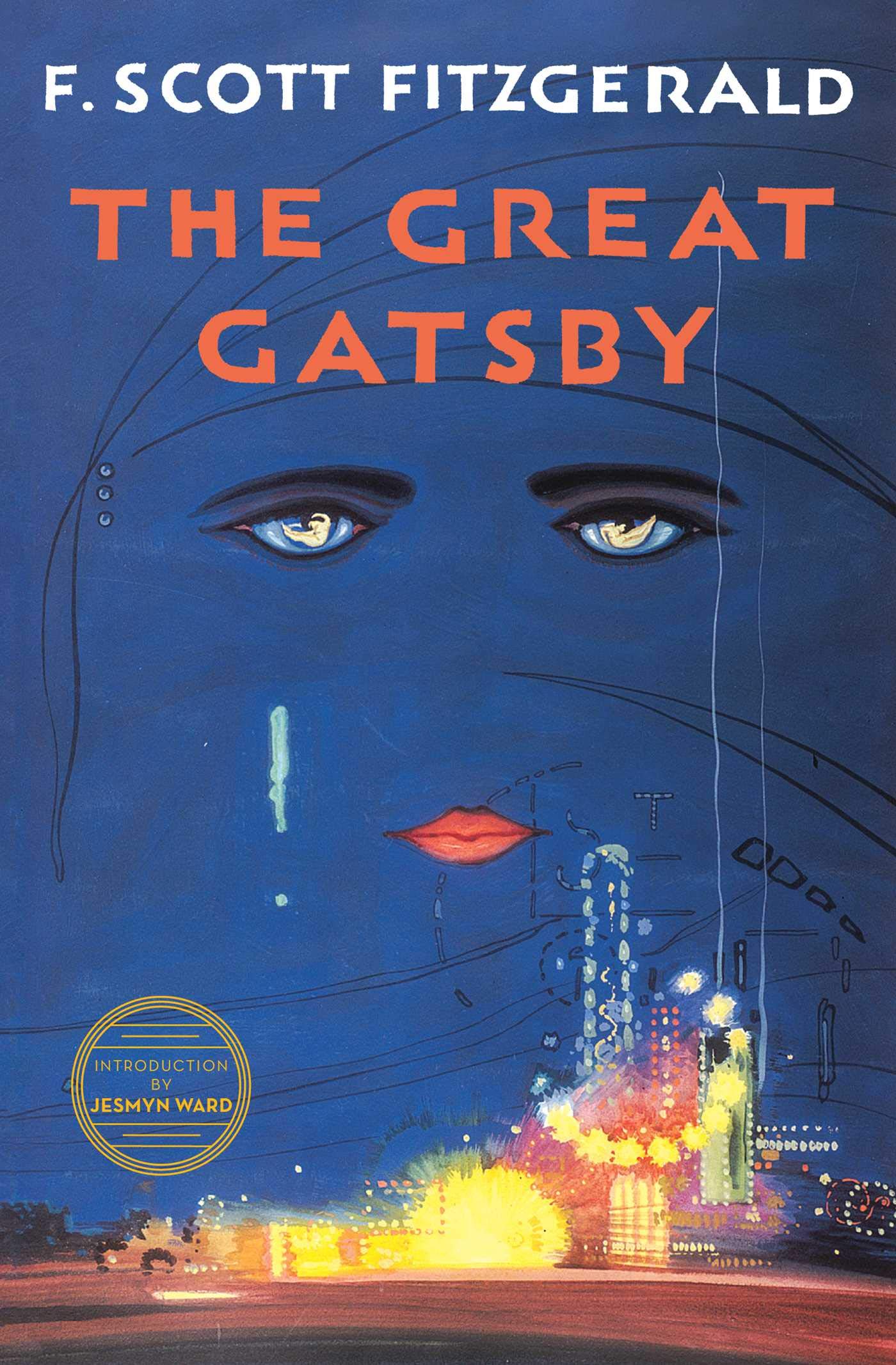
Nick Carraway rents a summer house in Long Island where he befriends his mysterious neighbor Jay Gatsby, a self-made millionaire who hides behind an extravagant and decadent lifestyle.

Practice this vocabulary list and explore words that contain the Greek roots graph ("write/writing") and gram ("written thing").
F. Scott Fitzgerald's classic "The Great Gatsby" is a glittering parade of parties and excess, but at its heart it is about identity and whether being wealthy in America can help you change who you really are. Here is a list of 100 great vocabulary words from the opening chapter of F. Scott Fitzgerald's 1926 novel "The Great Gatsby."