disinfectant
Other forms: disinfectants
If you need to clean a nasty mess, grab some disinfectant. It's a powerful cleanser that kills bacteria.
Disinfectant is a chemical that can destroy dangerous microorganisms — using it is the next best thing to sterilization. If someone in your family has had the flu, it makes sense to use a disinfectant when you clean the bathroom, just in case there are lingering germs on the doorknobs and faucets. Disinfectants are similar to antibiotics and antiseptics, except they're used on objects and surfaces rather than on (or in) our bodies.
-
an agent (as heat or radiation or a chemical) that destroys microorganisms that might carry diseasesynonyms: antimicrobial, antimicrobic, germicidetypes:cetrimidea cationic detergent that is a powerful disinfectantsodium hypochloritean unstable salt (NaOCl) used as a bleaching agent and disinfectanttype of:agenta substance that exerts some force or effect
-
preventing infection by inhibiting the growth or action of microorganismssynonyms: bactericidal, germicidalantisepticthoroughly clean and free of or destructive to disease-causing organisms
- MLA
- APA
- Chicago
Vocabulary lists containing disinfectant

Twelve-year-old Jonathan Palmer; his six-year-old and partially-paralyzed sister, Abby; and their parents are camping in Northern California when an earthquake hits. Separated from their parents, and without food, water, or help, Jonathan, Abby, and their dog, Moose, have to survive the devastating quake and find their way to safety.
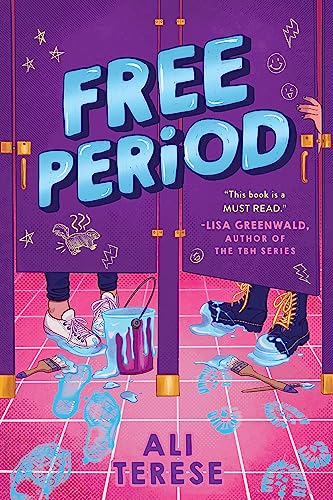
In this novel, best friends Helen and Gracie fight to stay out of trouble, maintain their friendship, and help secure free access to menstrual hygiene products for students at their middle school.