A Night to Remember: Chapters 7–8
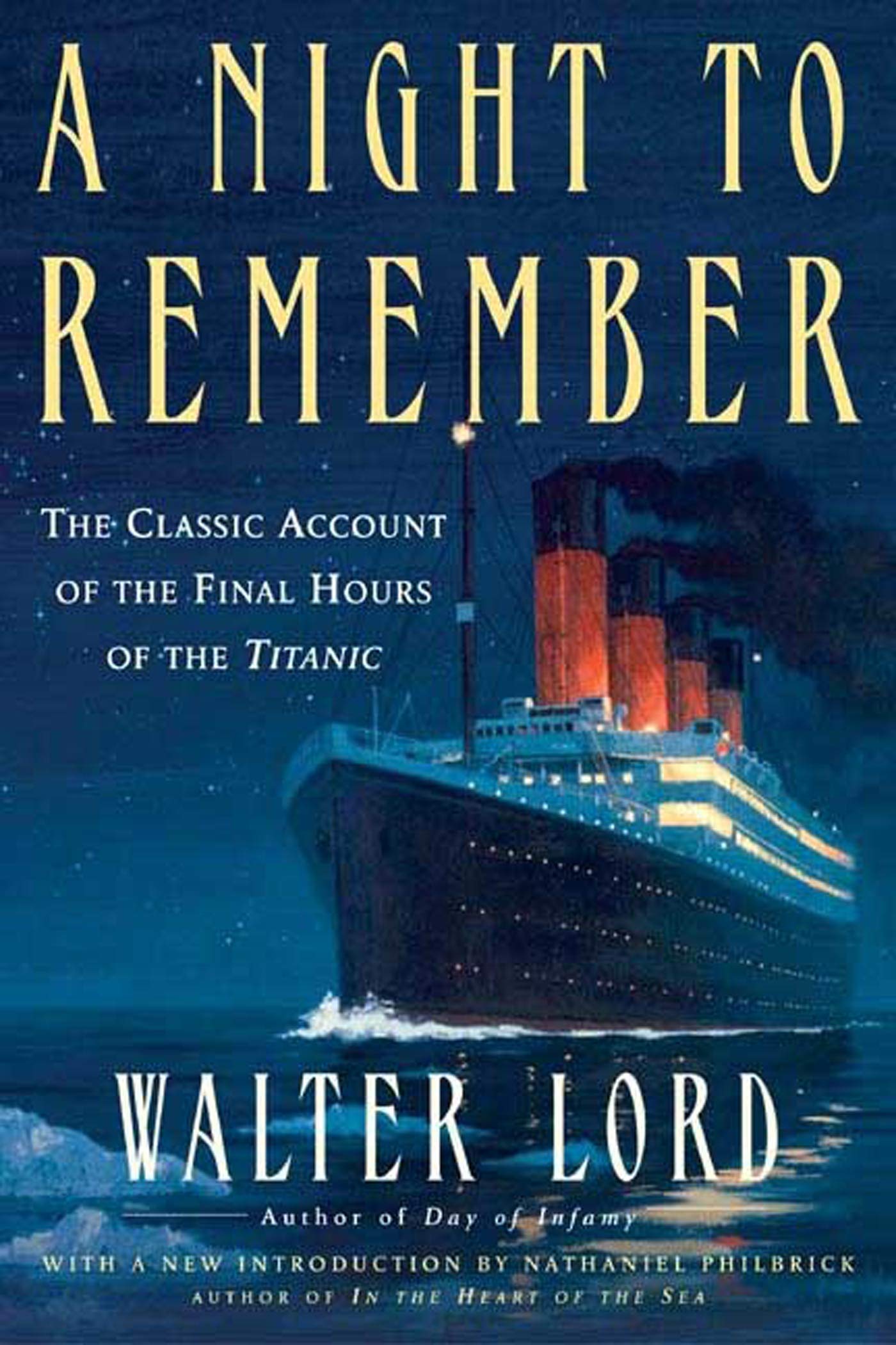
In this non-fiction book, Walter Lord provides a detailed account of the Titanic's fatal collision with an iceberg and the behavior of the passengers and crew in the aftermath.
Here are links to our lists for the book: Chapters 1–2, Chapters 3–4, Chapters 5–6, Chapters 7–8, Chapters 9–10
15 words
69 learners
Learn words with Flashcards and other activities
Definition First

Other learning activities
Full list of words from this list:
-
heedless
characterized by careless unconcernNever again would men fling a ship into an ice field, heedless of warnings, putting their whole trust in a few thousand tons of steel and rivets.
-
errant
straying from the right course or from accepted standardsAfter the Titanic sank, the American and British governments established the International Ice Patrol, and today Coast Guard cutters shepherd errant icebergs that drift toward the steamer lanes.
-
indifferent
showing no care or concern in attitude or actionIf the White Star Line was indifferent, so was everybody else. No one seemed to care about Third Class — neither the press, the official Inquiries, nor even the Third Class passengers themselves.
-
cavalier
showing a lack of concern or seriousnessAgain, the testimony doesn’t suggest any deliberate hush-up — it was just that no one was interested. The British Court of Enquiry was even more cavalier.
-
concede
admit or acknowledge, often reluctantlyMr. W. D. Harbinson, who officially represented the Third Class interests, said he could find no trace of discrimination, and Lord Mersey’s report gave a clean bill of health — yet not a single Third Class passenger testified, and the only surviving steward stationed in steerage freely conceded that the men were kept belowdecks as late as 1:15 A.M.
-
pillory
criticize harshly or violentlyWithin days Ismay was pilloried; within a year a prominent survivor divorced her husband merely because, according to gossip, he happened to be saved.
-
vicarious
experienced at secondhandThe public depended on socially prominent people for all the vicarious glamour that enriches drab lives.
-
preoccupation
an idea that obsesses the mind and holds the attentionThis preoccupation was fully appreciated by the press. When the Titanic sailed, the New York Times listed the prominent passengers on the front page.
-
camaraderie
the quality of affording easy familiarity and sociabilityTwenty years later she still recalled with awe, “There was a spirit of camaraderie unlike any I had experienced on previous trips. No one consulted the passenger list, to judge from the air of good fellowship that prevailed among the cabin passengers. They met on deck as one big party.”
-
patronage
the business given to an establishment by its customersThis group knew the crew almost as well as each other. It was the custom to cross with certain captains rather than on particular ships, and Captain Smith had a personal following which made him invaluable to the White Star Line. The Captain repaid the patronage with little favors and privileges which kept them coming.
-
noblesse oblige
the duty of the privileged to be honorable and generousToday nobody could carry off these little gestures of chivalry, but they did that night. An air of noblesse oblige has vanished too.
-
complacency
the feeling you have when you are satisfied with yourselfScores of ministers preached that the Titanic was a heaven-sent lesson to awaken people from their complacency, to punish them for top-heavy faith in material progress.
-
clamor
loud and persistent outcry from many peopleAll the time while Collapsibles A and B were filling up and painfully struggling away from the scene, hundreds of swimmers were crying for help. Individual voices were lost in a steady, overwhelming clamor.
-
flotilla
a fleet of small craft“Consider yourselves under my command,” he ordered, and now he organized his flotilla for rescue work.
-
provisions
a stock or supply of foodsHe reasoned that if boats were needed, provisions were needed too; so on his own initiative he mustered his staff of 13 bakers and ransacked the Titanic's larder of all spare bread.
Created on Thu Mar 03 12:38:49 EST 2022
(updated Mon Jun 23 12:52:54 EDT 2025)
Sign up now (it’s free!)
Whether you’re a teacher or a learner,
Vocabulary.com can put you or your class
on the path to systematic vocabulary improvement.