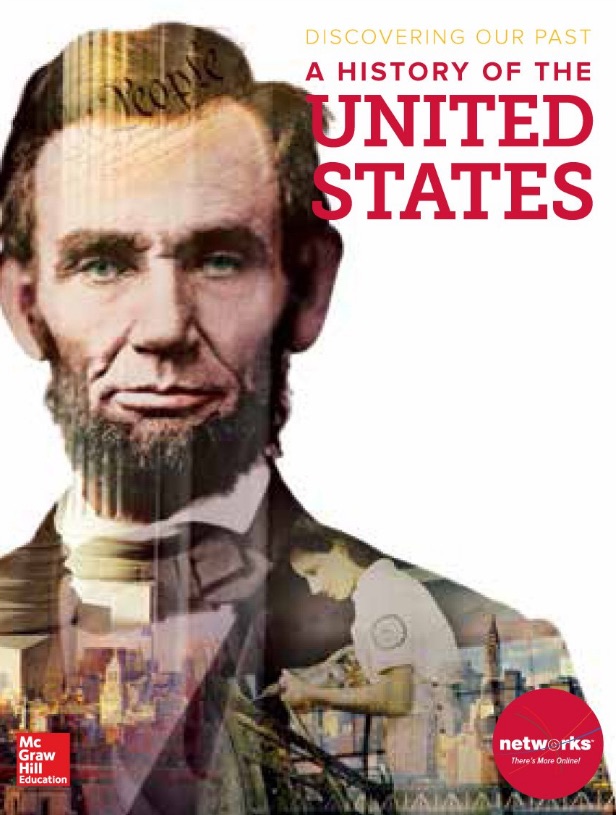
A History of the United States: Chapter 9: The Federalist Era
16 words
741 learners
Learn words with Flashcards and other activities
Definition First

Other learning activities
Full list of words from this list:
-
precedent
an example that is used to justify similar occurrencesWashington knew that his actions and decisions would set precedents, or traditions, that would help shape the nation's future.
-
cabinet
group chosen by a head of state to run executive departmentsThe three department heads and the attorney general had many important duties. Among them was giving advice to the president. Together, this group of top executive advisers formed what is called a cabinet.
-
uniform
always the sameSome favored a uniform legal system for the entire nation.
-
bond
a certificate of debt issued by a government or corporationWhen borrowing money from citizens during the American Revolution, the government issued bonds. These are notes that promise repayment of borrowed money in the future.
-
accumulate
collect or gatherThese states had accumulated, or built up, much less debt than the Northern states.
-
compromise
an accommodation in which both sides make concessionsTo win support for his plan, Hamilton worked out a compromise with Southern leaders. If they voted for his plan to pay off the state debts, he would support locating the nation's capital in the South.
-
maintain
keep in a certain state, position, or activityHis action sent a strong message to the public: The government would use force to maintain order.
-
issue
bring out an official documentPresident Washington issued the Proclamation of Neutrality, which prohibited Americans from fighting in the war.
-
impressment
the act of forcing someone into government serviceThen, they forced the American crews into the British navy. Americans were outraged by this practice of impressment.
-
partisan
devoted to a cause or political groupEven Washington was partisan—clearly favoring one faction.
-
distinct
not alike; different in nature or qualityThe differences found in Washington's cabinet also existed in Congress and among the public. They formed the basis for two distinct political parties that emerged at this time.
-
caucus
a closed political meetingTo prepare for the election, both parties held caucuses. At these meetings, members of Congress and other leaders nominated, or chose, their parties' candidates for office.
-
resolve
reach a conclusion after a discussion or deliberationPresident Adams sent a team to Paris to try to resolve the dispute in the fall of 1797.
-
alien
a person who comes from a foreign countryThey became more suspicious of aliens—residents who are not citizens.
-
sedition
an illegal action inciting resistance to lawful authorityIn response to these concerns, Federalists in 1798 passed the Alien and Sedition Acts. Sedition means activities aimed at weakening the government.
-
nullify
declare invalidThe Kentucky Resolution further said that states could nullify—legally overturn—federal laws they thought were unconstitutional.
Created on Mon Jun 14 16:06:51 EDT 2021
(updated Fri Jun 18 08:51:20 EDT 2021)
Sign up now (it’s free!)
Whether you’re a teacher or a learner,
Vocabulary.com can put you or your class
on the path to systematic vocabulary improvement.