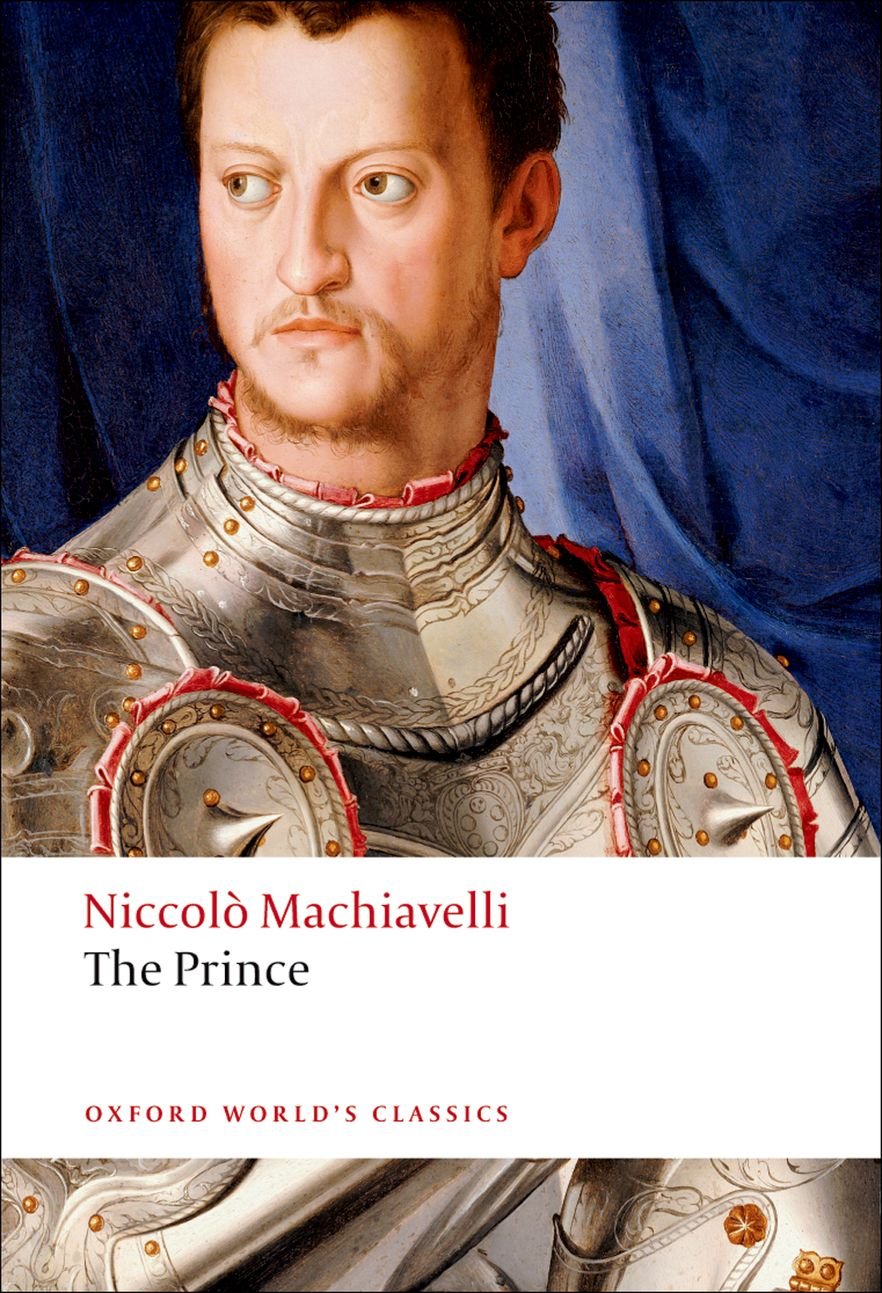
The Prince: Chapters 8–14
In this classic treatise, Machiavelli outlines the traits and strategies of an effective ruler. Learn these words from the translation by Peter Bondanella.
Here are links to our lists for the book: Chapters 1–5, Chapters 6–7, Chapters 8–14, Chapters 15–19, Chapters 20–26
12 words
167 learners
Learn words with Flashcards and other activities
Definition First

Other learning activities
Full list of words from this list:
-
treatise
a formal text that treats a particular topic systematicallyBecause there still remain two additional methods for an ordinary citizen to become a prince that cannot be attributed completely to either Fortune or virtue, I believe they should not be omitted, although one of them will be discussed at greater length in a treatise on republics.
-
abject
most unfortunate or miserableAgathocles the Sicilian, who became King of Syracuse, was not only an ordinary citizen but also of the lowest and most abject condition.
-
demeaning
causing someone to lose status or the respect of othersHowever, since he felt it was demeaning to serve under others, he decided, with Vitellozzo’s help and with the assistance of some of its citizens (those who preferred servitude to the liberty of their native city), to take over Fermo.
-
rapacious
excessively greedy and graspingIn order better to clarify this point, let me say that the nobles should be considered chiefly in two ways: either they conduct themselves in such a way that they commit themselves completely to your cause, or they do not. Those who commit themselves and are not rapacious should be honoured and loved.
-
trite
repeated too often; overfamiliar through overuseLet no one contradict my opinion by citing that trite proverb, claiming he who builds upon the people builds upon mud; for that is true when a private citizen makes them his foundation, and allows himself to believe that the common people will free him if he is oppressed by enemies or by the public officials.
-
predecessor
one who goes before you in timeHe also found the way open for the accumulation of wealth by a method never before used by Alexander or his predecessors.
-
mercenary
serving for wages in a foreign armyMercenary captains are either excellent men or they are not.
-
aspire
have an ambitious plan or a lofty goalIf they are, you cannot trust them, since they will always aspire to their own greatness, either by oppressing you, who are their masters, or by oppressing others against your intent; but if the captain is without ability, he usually ruins you.
-
ordinance
an authoritative ruleHaving freed France from the English by means of his Fortune and his virtue, Charles VII, father of King Louis XI, recognized the necessity of arming himself with his own men, and he set up an ordinance to procure cavalry and infantry in his kingdom.
-
procure
get by special effortHaving freed France from the English by means of his Fortune and his virtue, Charles VII, father of King Louis XI, recognized the necessity of arming himself with his own men, and he set up an ordinance to procure cavalry and infantry in his kingdom.
-
infamy
a state of extreme dishonorThis is one of those infamies a prince should be on guard against, as will be discussed below.
-
eminent
standing above others in quality or positionAbove all else, he must do as some eminent men before him have done, who elected to imitate someone who had been praised and honoured before them, and always keep in mind his deeds and actions: just as it is reported that Alexander the Great imitated Achilles, Caesar imitated Alexander, and Scipio imitated Cyrus.
Created on Mon Oct 05 17:27:23 EDT 2020
(updated Mon Jul 07 10:00:18 EDT 2025)
Sign up now (it’s free!)
Whether you’re a teacher or a learner,
Vocabulary.com can put you or your class
on the path to systematic vocabulary improvement.