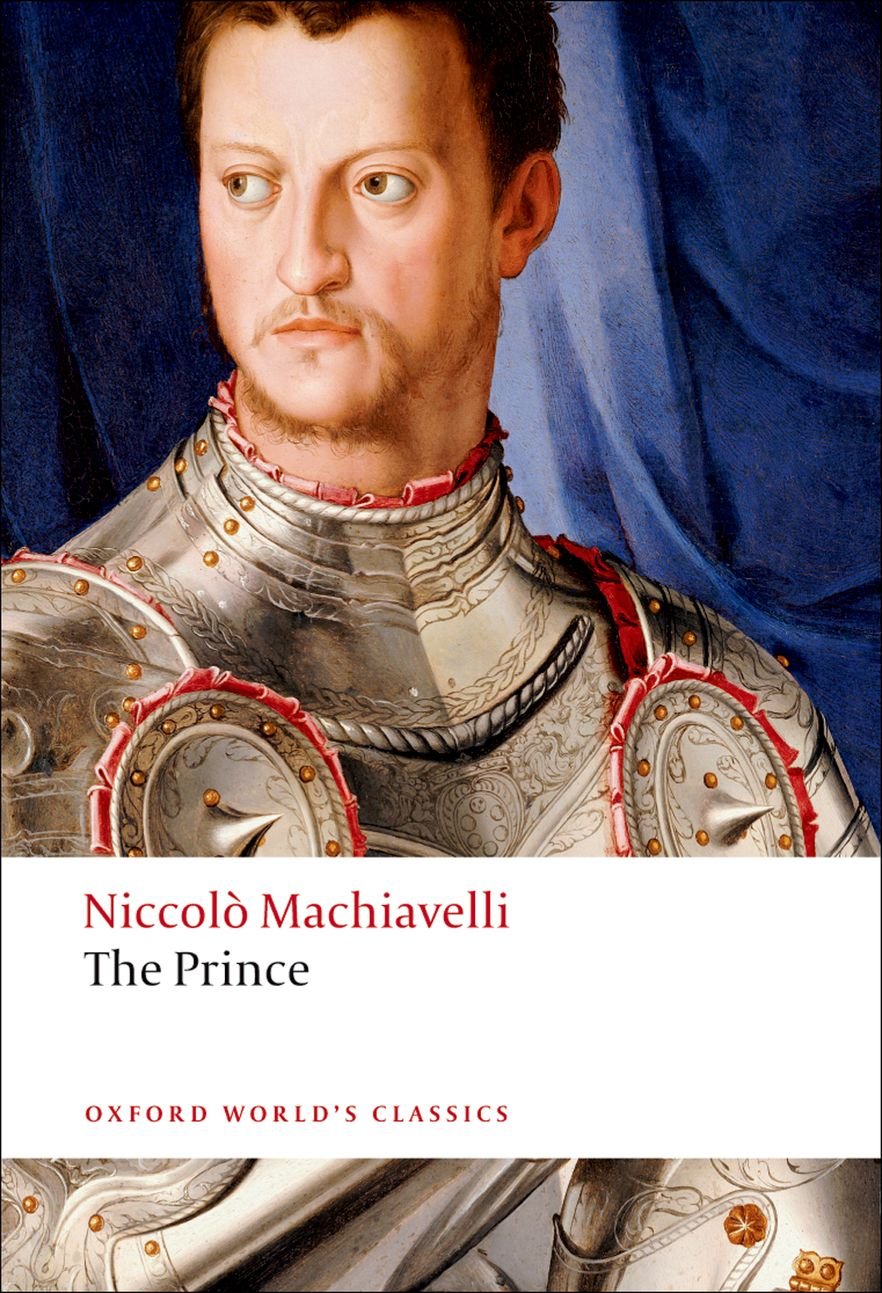
The Prince: Chapters 6–7
In this classic treatise, Machiavelli outlines the traits and strategies of an effective ruler. Learn these words from the translation by Peter Bondanella.
Here are links to our lists for the book: Chapters 1–5, Chapters 6–7, Chapters 8–14, Chapters 15–19, Chapters 20–26
15 words
235 learners
Learn words with Flashcards and other activities
Definition First

Other learning activities
Full list of words from this list:
-
mitigate
lessen or to try to lessen the seriousness or extent ofBecause for a private citizen to become a prince presupposes virtue or Fortune, it appears that either the one or the other of these two things should partially mitigate many of the problems.
-
ennoble
confer dignity or honor uponThese opportunities, therefore, made these men successful, and their outstanding virtue enabled them to recognize that opportunity, whereby their nation was ennobled and became extremely happy.
-
incredulity
doubt about the truth of somethingThis lukewarmness partly arises from fear of the adversaries who have the law on their side, and partly from the incredulity of men, who do not truly believe in new things unless they have actually had personal experience of them.
-
partisan
devoted to a cause or political groupTherefore, it happens that whenever those who are enemies have the chance to attack, they do so with partisan zeal, whereas those others defend hesitantly, so that they, together with the prince, run the risk of grave danger.
-
venerate
regard with feelings of respect and reverenceHowever, once they have overcome them and have begun to be venerated, having wiped out all those who were envious of their accomplishments, they remain powerful, secure, honoured, and successful.
-
faction
a clique that seeks power usually through intrigueAs a result, the Duke decided to depend no longer upon the troops and Fortune of others. His first step was to weaken the Orsini and Colonna factions in Rome.
-
subsidy
a grant of financial assistance, especially by a governmentHe won over all their followers who were noblemen, making them his own noblemen and giving them huge subsidies; and he honoured them, according to their rank, with military commands and civil appointments.
-
dissimulate
hide feelings from other peopleHe knew how to dissimulate his intentions so well that the Orsini themselves, through Lord Paulo, reconciled themselves with him.
-
unscrupulous
without principlesTherefore, he gave a cruel and unscrupulous man, Messer Remirro de Oreo, the fullest authority there.
-
odious
extremely repulsive or unpleasantAfterwards, the Duke judged that such excessive authority was no longer required, since he feared that it might become odious, and in the middle of the territory he set up a civil tribunal with a very distinguished president, in which each city had its own advocate.
-
rigorous
strict; allowing no deviation from a standardBecause he realized that the rigorous measures of the past had generated a certain amount of hatred, in order to purge the minds of the people and to win them completely over to his side he wanted to show that, if any form of cruelty had occurred, it did not originate from him but from the violent nature of his minister.
-
vacillate
be undecided about somethingBecause of this, he began to seek out new allies and to vacillate with France during the campaign the French undertook in the Kingdom of Naples against the Spaniards besieging Gaeta.
-
fruition
the attainment or fulfillment of a plan or objectiveIf he had carried out these designs (and he would have brought them to fruition during the same year that Alexander died), he would have gathered together so many military forces and such reputation that he would have been able to stand alone and would no longer have had to rely upon the Fortune and military forces of others, but instead on his own power and virtue.
-
brevity
the attribute of being short or fleetingPossessing great courage and high goals, he could not have conducted himself in any other manner, and his plans were frustrated solely by the brevity of Alexander’s life and by his own illness.
-
magnanimous
noble and generous in spiritAnyone, therefore, who considers it necessary in his newly acquired principality to protect himself from his enemies, to win allies, to conquer either by force or by deceit...to be both severe and kind, magnanimous and generous, to wipe out disloyal troops and create new ones, to maintain alliances with kings and princes in such a way that they must either gladly help you or injure you with caution — that person cannot find more recent examples than this man’s deeds.
Created on Mon Oct 05 17:14:02 EDT 2020
(updated Mon Jul 07 09:48:33 EDT 2025)
Sign up now (it’s free!)
Whether you’re a teacher or a learner,
Vocabulary.com can put you or your class
on the path to systematic vocabulary improvement.