Beast Mode: An Ark of Animal Words: Hot to Trot: Animal Ambulation
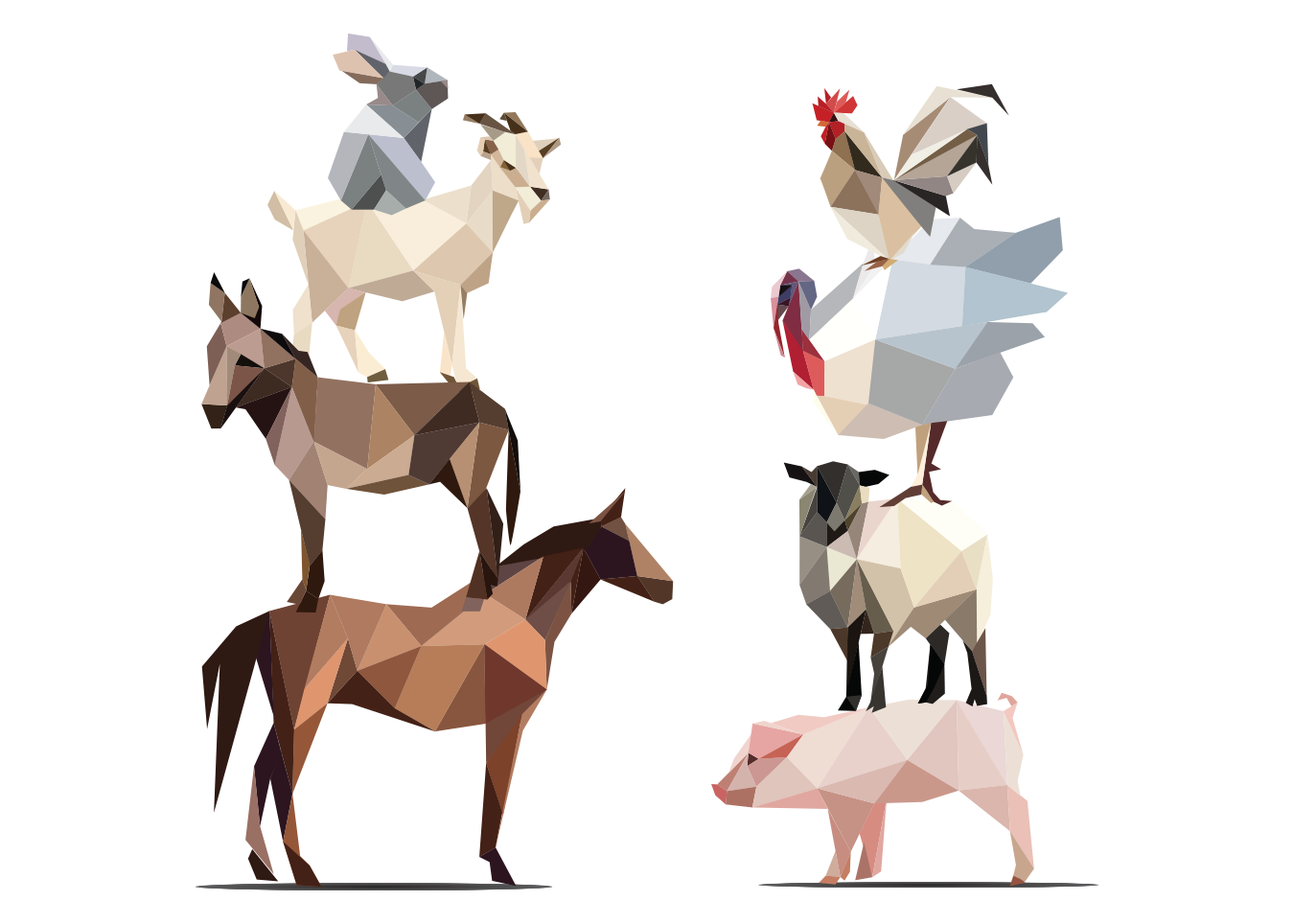
Every animal propels itself a little differently, and many of those motions have become words that evoke a particular attitude or characteristic. Learning this list will give you some new lexical moves. Hop to it!
12 words
10212 learners
Learn words with Flashcards and other activities
Definition First

Other learning activities
Full list of words from this list:
-
amble
walk leisurelyA young bobcat ambled by the nearly abandoned administrative buildings, while ravens prattled and danced in the empty parking lots, and coyotes trotted along the valley’s empty roads and walkways. Los Angeles Times (Apr 13, 2020)
-
canter
a smooth three-beat gaitWith a bow in her left hand and an arrow in her right, she cantered her horse toward a target, aimed quickly and let fly. New York Times (Mar 23, 2020)Horses have four different natural gaits, each of which uses their legs in a unique order and pattern. From slowest to fastest, they are: walk, trot, canter, and gallop.
-
flit
move along rapidly and lightly; skim or dartLike moths drawn to light, they too flit aimlessly on their ledges, staring at empty streets at once familiar and foreign. The Guardian (Mar 28, 2020)The rapid, darting motions of some insects, or small birds like hummingbirds, are best described with flitting.
-
flutter
flap the wings rapidly or fly with flapping movementsOr it might just be that the fluttering of bat wings at night strikes some anxious chord in most humans. New York Times (Mar 19, 2020)Slower than the buzzing of insect wings, fluttering is the motion or sound of quick but still distinct wing flaps.
-
gallop
a fast gait of a horseAlso, that galloping robot is one of four horsemen of a mash-up apocalypse, whose chivalrous gear includes selfie sticks, tablet computers and Beats headphones. Washington Post (Apr 14, 2020)See canter above.
-
gambol
play or run boisterouslyHe quit after two months and now hangs disconsolately around outside a low-cost, multistory migrant hostel where small children totter, kittens gambol and a handful of migrant workers chatter. Los Angeles Times (May 12, 2019)
-
lope
run easilyMrs. Frisby watched them as they loped away swiftly in single file and disappeared from her view, back into the deep forest and up the mountainside. Mrs. Frisby and the Rats of NIMHLope comes from the same Old Norse root as leap, though it's more of a long, smooth stride than a jump.
-
slither
pass or move unobtrusively or smoothlyOr change your perspective — get down low to see what's crawling, hopping, or slithering on the ground. Salon (Apr 11, 2020)Slithering really belongs to snakes, and snails and slugs, but anything that drags its belly on the ground when it crawls might be said to slither.
-
steal
move stealthilyArrangements were made for one of the posse to steal upon the cabin and plant the dynamite beneath it. Washington Times (Mar 8, 2020)If you steal something, you have to be sneaky, right? If you think about steal being closely related to stealth, as in stealth aircraft that are all but invisible to radar, that will give you a good sense of what stealing looks like as a motion: imagine a cat creeping up on its prey.
-
strut
walk in a proud, confident wayI suggest you stop strutting around in that dumb-looking jacket and get some culture!” The Vanderbeekers of 141st Street
-
swoop
move down on as if in an attackMourning doves wooed each other from the treetops, and a hawk made a few lazy swoops overhead. Washington Post (Apr 2, 2020)
-
waddle
walk unsteadilyA stone-faced Caesar gestured from a pedestal as a lone goose waddled down the street, alongside the few passing cars. The Guardian (Apr 14, 2020)To waddle is to walk slowly, with a pronounced side-to-side motion, like a duck. It comes from wade as in "walk in water," with the association of fording a river or stream shallow enough that swimming is not required. Wade is interesting in that it originates in both Latin and German.
Created on Thu Apr 09 14:25:21 EDT 2020
(updated Thu Apr 23 11:16:52 EDT 2020)
Sign up now (it’s free!)
Whether you’re a teacher or a learner,
Vocabulary.com can put you or your class
on the path to systematic vocabulary improvement.