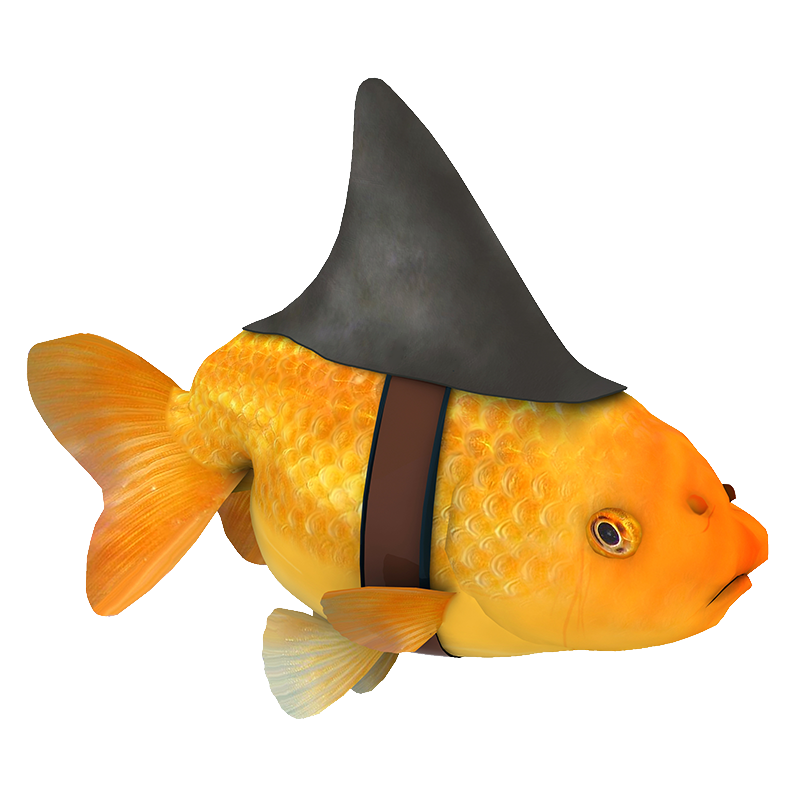
Reality Check: Fake It 'Til You Make It: Synonyms for "False"
From insincere displays of emotion to falsely labeled products to outright lies, there are unfortunately a lot of ways to be dishonest or fake. For more synonym lists, explore our Say What You Mean resources.
27 words
18274 learners
Learn words with Flashcards and other activities
Definition First

Other learning activities
Full list of words from this list:
-
adulterate
make impure by adding a foreign or inferior substanceAn association of small merchants warned last year that 36% of all liquor sold in the country was either contraband or adulterated. The Guardian (May 15, 2020)Adulterare is a Latin verb meaning "to debase, corrupt, or dilute the purity of something."
-
apocryphal
being of questionable authenticityTo paraphrase the apocryphal Chinese curse, we are all living in interesting times. The Guardian (Mar 5, 2020)From the Greek apokryphos, meaning "hidden," "illegitimate," or "of unknown authorship" via Latin, apocryphal refers to a story that is likely not true: a tall tale, an urban legend, or a myth (see below).
-
bogus
fraudulent; having a misleading appearanceLoughlin and Giannulli were among dozens of wealthy parents charged with paying hefty bribes to get their kids into elite universities with bogus test scores or fake athletic credentials. Washington Times (May 22, 2020)A bogus was a machine for printing counterfeit money. The term likely originated in the archaic expression tantrabogus, meaning something evil or the devil. This makes it a relative of bogey as in an enemy aircraft or a stroke over par in golf.
-
counterfeit
not genuine; imitating something superiorHe pleaded guilty in March 2019 to manufacturing and possessing counterfeit currency and was sentenced in August. Washington Times (May 20, 2020)
-
deceitful
marked by deliberate deceptivenessIn a lawsuit filed on Tuesday, Hobby Lobby accused the auction house Christie’s of “deceitful and fraudulent conduct” in connection with an ancient tablet bearing a fragment of Gilgamesh. New York Times (May 19, 2020)Closely related to deceptive, below, but with a detour through the Old French deceite.
-
deceptive
deliberately designed to misleadIn a classified report sent to the White House more than a month ago, intelligence officials said China's public record of COVID-19 infections was deliberately deceptive and incomplete. Fox News (May 18, 2020)Deceptionem is a Latin noun based on the verb decipere, "to deceive."
-
dishonest
deceptive or fraudulentThese claims are not just dishonest; they are false. Slate (May 22, 2020)
-
dissembling
pretending with intention to deceiveShe gradually became a national hero, read by millions starving for something other than the dissembling and patriotic gruel issued by the government and by Chinese media conglomerates. New York Times (May 15, 2020)Dissemble is French, where it means the opposite of resemble.
-
ersatz
an artificial or inferior substitute or imitationThis disruption of public life qualifies as a novel state for the millions of Americans now withdrawn into ersatz home offices. Washington Post (Mar 18, 2020)Ersatz is a German word meaning "replacement."
-
fabricate
make up something artificial or untrueIn its delisting notice, the bourse cited public interest concerns raised by the fabricated transactions and Luckin’s failure to disclose material information. Reuters (May 20, 2020)To fabricate something means to make it, but while it can refer to real things like cars or furniture it can also refer to made up stories.
-
faulty
having a defectThe testing kits proved to be faulty, with the problem compounded by sluggish efforts to rectify the deficiencies and then by severe bottlenecks in distributing enough tests to the public. The Guardian (May 14, 2020)
-
feigned
not genuineA few nights later the anchor feigned sympathy for Americans, who she said were left to die while their government rails against China. Los Angeles Times (May 4, 2020)Fingere is Latin for "to form," to mold," or "to fake." This became the Old French feindre, the present participle of which is feignant, which entered Middle English. You'll most often see feign used to describe fake expressions of surprise or other emotions.
-
forge
make a copy of with the intent to deceiveComplaints over fraud, however, continued, including instances in which homeowners alleged contractors forged their signatures. Los Angeles Times (May 21, 2020)A forge is the furnace a blacksmith uses to work metal, and to forge something can mean to make it. But it can also mean to fake something — an artwork, or a person's signature — with the intent to commit fraud.
-
fraudulent
intended to deceive"We will continue to monitor the online ecosystem for fraudulent products peddled by bad actors seeking to profit from this global pandemic," the agency said. Salon (May 18, 2020)
-
hypocritical
professing feelings or virtues one does not haveFormer prosecutors and defense lawyers called the department’s position hypocritical and troubling. New York Times (May 13, 2020)Ipokritikos is Greek for "acting" or "dissembling," above.
-
inaccurate
not exactDissemination of such inaccurate information helped to spread the novel coronavirus in America faster by delaying the adoption of social distancing. Scientific American (May 22, 2020)
-
incorrect
not correct; not in conformity with fact or truthIt is incorrect to classify flies as bugs. Washington Post (May 22, 2020)
-
malicious
having the nature of threatening evil“I don’t think it’s malicious. I think it’s just benign neglect.” New York Times (May 16, 2020)
-
mendacious
intentionally untrueFact Checker editor and chief writer Glenn Kessler labels Trump “the most mendacious president in U.S. history.” Washington Post (May 22, 2020)Mendum means "error" in Latin, so mendacious is a fancy way of saying "dishonest" or "a liar."
-
meretricious
deceptively pleasing“You rediscover some small things, spending time with the children and the family,” keeping up with her father by Skype, noting that for once, social media is proving to be more beneficial than meretricious. New York Times (Mar 15, 2020)
-
mislead
take someone in the wrong direction or give wrong directionsSocial media is awash with posts containing fake and misleading information about the coronavirus pandemic. BBC (May 22, 2020)
-
myth
a traditional story serving to explain a world viewIt’s a twist on the Greek myth of Sisyphus, who is sentenced by the gods to spend eternity pushing a boulder up a mountain, letting it roll down, and then pushing it back up. Washington Post (May 19, 2020)
-
phony
fraudulent; having a misleading appearanceShe made similar phony claims that it was "unhealthy" for her to wear a mask, saying, "I'm not endangering you because I'm a healthy person." Salon (May 18, 2020)
-
prevaricate
be deliberately ambiguous or unclearAnd after years of prevaricating, museums on both sides of the Atlantic hurried to distance themselves from the Sackler family because of its ties to the opioid crisis. Washington Post (Dec 9, 2019)Praevaricari is a Latin verb meaning "to plough crookedly," which also came to mean "to transgress" or "to go astray." If someone answers a question without actually answering it, that's prevaricating.
-
specious
plausible but falseThe justices said in the ruling that Pascoe’s arguments about the judge’s bias were “specious and wholly without merit.” Washington Times (May 7, 2020)Specious is most often used in a legal context to describe an argument or line of reasoning that sounds persuasive or impressive but lacks merit.
-
spurious
intended to deceiveAlong with the spurious dig at Obama, who was born in Hawaii, the tweet also traded on stereotypes of Africans living in huts. The Guardian (Apr 8, 2020)Spurius is Latin for "false" or "illegitimate."
-
unfounded
without a basis in reason or factThe president’s aggressive and unfounded rhetoric drew immediate rebukes from Democrats and voting rights activists, who accused Trump of intentionally sowing mistrust in U.S. elections. Washington Post (May 20, 2020)
Created on Fri Feb 28 17:34:48 EST 2020
(updated Mon Mar 22 17:37:35 EDT 2021)
Sign up now (it’s free!)
Whether you’re a teacher or a learner,
Vocabulary.com can put you or your class
on the path to systematic vocabulary improvement.