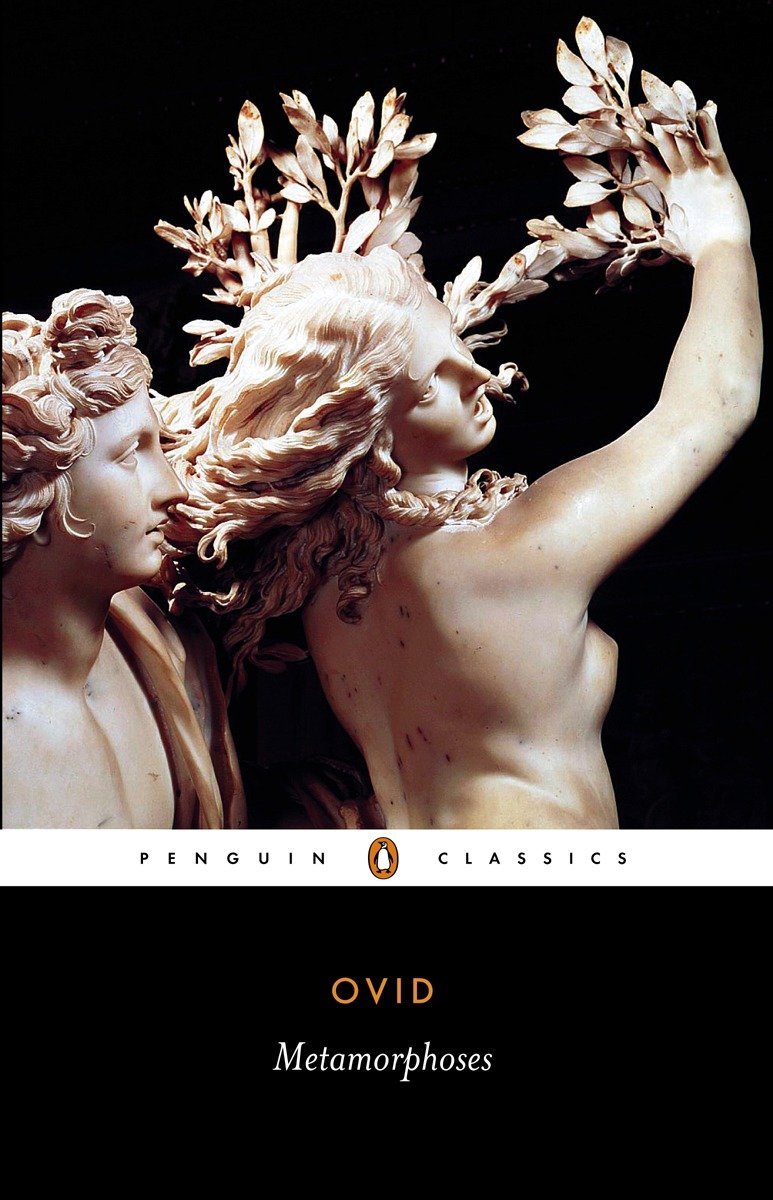
Metamorphoses: Book 10
Ovid's Metamorphoses features myths and stories of change, mutation, and transformation. Learn these words from the translation by John Dryden here.
Here are links to our lists for the book: Book 1, Book 2, Book 3, Book 4, Book 5, Book 6, Book 7, Book 8, Book 9, Book 10, Book 11, Book 12, Book 13, Book 14
30 words
40 learners
Learn words with Flashcards and other activities
Definition First

Other learning activities
Full list of words from this list:
-
inauspicious
presaging ill fortuneWith dread these inauspicious signs were view'd,
And soon a more disastrous end ensu'd; -
omnipotence
the state of having unlimited powerAt length I yielded, won by mighty love;
Well known is that omnipotence above! -
transient
lasting a very short timeShe too, when ripen'd years she shall attain,
Must, of avoidless right, be yours again:
I but the transient use of that require,
Which soon, too soon, I must resign entire. -
voracious
devouring or craving food in great quantitiesIxion's wond'ring wheel its whirl suspends,
And the voracious vulture, charm'd, attends;
No more the Belides their toil bemoan,
And Sisiphus reclin'd, sits list'ning on his stone.Note how each line includes some alliteration, which emphasizes the music that Orpheus is playing to charm the inhabitants of the Underworld. His music is so melodiously moving that even a vulture stops feeding his face in order to listen to the lyre. -
forfeit
surrendered as a penaltyFor if, before he reach the realms of air,
He backward cast his eyes to view the fair,
The forfeit grant, that instant, void is made,
And she for ever left a lifeless shade. -
inexorable
impervious to pleas, persuasion, requests, or reasonOf rigid Fate incessant he complains,
And Hell's inexorable Gods arraigns. -
destitute
completely wanting or lackingA hill there was, and on that hill a mead,
With verdure thick, but destitute of shade.
Where, now, the Muse's son no sooner sings,
No sooner strikes his sweet resounding strings. -
torrent
a violently fast stream of water or other liquidAnd now, of blood exhausted he appears,
Drain'd by a torrent of continual tears;
The fleshy colour in his body fades,
And a green tincture all his limbs invades;
From his fair head, where curling locks late hung,
A horrid bush with bristled branches sprung, -
nefarious
extremely wickedAt first, to punish such nefarious crimes,
Their towns she meant to leave, her once-lov'd climes:
But why, said she, for their offence shou'd I
My dear delightful plains, and cities fly? -
implore
beg or request earnestly and urgentlyPygmalion off'ring, first approach'd the shrine,
And then with pray'rs implored the Pow'rs divine:
Almighty Gods, if all we mortals want,
If all we can require, be yours to grant;
Make this fair statue mine, he wou'd have said,
But chang'd his words for shame; and only pray'd,
Give me the likeness of my iv'ry maid. -
impudent
improperly forward or boldThe youth, returning to his mistress, hies,
And impudent in hope, with ardent eyes,
And beating breast, by the dear statue lies.Pygmalion has an impudent ("marked by casual disrespect") attitude towards women. His eyes were never ardent ("characterized by intense emotion; glowing or shining like fire") for real women, because he thinks they are all too sexually driven and cannot compare to the beauty and purity of his art. Thus, he humbly prays to the Gods to make his statue real, and impudently hopes they'd grant his prayer. -
salacious
suggestive of or tending to moral loosenessThe father-bull his daughter may bestride,
The horse may make his mother-mare a bride;
What piety forbids the lusty ram,
Or more salacious goat, to rut their dam? -
kindred
related by blood or marriageOur kindred-blood debars a better tie;
He might be nearer, were he not so nigh. -
sanction
a mechanism of social control for enforcing standardsSecure the sacred quiet of thy mind,
And keep the sanctions Nature has design'd. -
ruminate
reflect deeply on a subjectMad with desire, she ruminates her sin,
And wishes all her wishes o'er again:
Now she despairs, and now resolves to try;
Wou'd not, and wou'd again, she knows not why;
Stops, and returns; makes, and retracts the vow;
Fain wou'd begin, but understands not how. -
adjure
ask for or request earnestlyAt this, on high the beldame holds her hands,
And trembling both with age, and terror stands;
Adjures, and falling at her feet entreats,
Soothes her with blandishments, and frights with threats,
To tell the crime intended, or disclose
What part of it she knew, if she no farther knows. -
perverse
resistant to guidance or disciplineHer reason vanquish'd, but unchang'd her will:
Perverse of mind, unable to reply;
She stood resolv'd, or to possess, or die."Perverse" also means "deviating from what is considered moral or right or proper"--this describes Myrrha's love for her father. But in the example sentence, the words "unchanged" and "resolved" ("determined") describe Myrrha's state of mind after her nurse attempted to convince her that she is crazy to want the happiness of her mother's marriage-bed. -
sanctify
render holy by means of religious ritesThe solemn feast of Ceres now was near,
When long white linen stoles the matrons wear;
Rank'd in procession walk the pious train,
Off'ring first-fruits, and spikes of yellow grain:
For nine long nights the nuptial-bed they shun,
And sanctifying harvest, lie alone. -
discordant
not in agreement or harmonyMyrrha was joy'd the welcome news to hear;
But clogged with guilt, the joy was unsincere:
So various, so discordant is the mind,
That in our will a diff'rent will we find. -
penitence
remorse for your past conductYe Pow'rs, if any so propitious are
T' accept my penitence, and hear my pray'r;
Your judgments, I confess, are justly sent;
Great sins deserve as great a punishment: -
distend
swell from or as if from internal pressureMean-time the mis-begotten infant grows,
And ripe for birth, distends with deadly throes
The swelling rind, with unavailing strife,
To leave the wooden womb, and pushes into life.The infant was misbegotten because he was created out of wedlock in a deceitful, incestuous way. But even though his mother Myrrha was punished by being transformed into a tree, he continues to grow and distends her until he is ready to be born. Despite the circumstances surrounding his birth, he actually turns out to be a beautiful baby whom Venus later falls in love with. -
extravagance
the quality of exceeding appropriate limitsThere sat Hippomenes, prepar'd to blame
In lovers such extravagance of flame.
And must, he said, the blessing of a wife
Be dearly purchas'd by a risk of life? -
recompense
payment or reward, as for service renderedYet for what crime shall he his death receive?
Is it a crime with me to wish to live?
Shall his kind passion his destruction prove?
Is this the fatal recompense of love? -
upbraid
express criticism towardsSo fair a youth, destroy'd, would conquest shame,
And nymphs eternally detest my fame.
Still why should nymphs my guiltless fame upbraid?
Did I the fond adventurer persuade? -
rove
move about aimlessly or without any destinationThus she disclos'd the woman's secret heart,
Young, innocent, and new to Cupid's dart.
Her thoughts, her words, her actions wildly rove,
With love she burns, yet knows not that 'tis love. -
consecrated
made, declared, or believed to be holyThat field of old was added to my shrine,
And its choice products consecrated mine. -
sportive
given to merry frolickingIt chanc'd, three apples in my hand I bore,
Which newly from the tree I sportive tore;
Seen by the youth alone, to him I brought
The fruit, and when, and how to use it, taught. -
levity
a manner lacking seriousnessSo swiftly mov'd their feet, they might with ease,
Scarce moisten'd, skim along the glassy seas;
Or with a wondrous levity be borne
O'er yellow harvests of unbending corn.Although the example sentence is describing a race, it is not one lacking seriousness, since Hippomenes is racing Atalanta for her hand in marriage, and if he loses, he dies. Here, "levity" is used to describe the racers' speed, which makes them seem so light, as if they were skimming over the seas or levitating over the corn. -
baffle
hinder or prevent, as an effort, plan, or desireHippomenes! (they cried) thy life preserve,
Intensely labour, and stretch ev'ry nerve.
Base fear alone can baffle thy design,
Shoot boldly onward, and the goal is thine. -
parched
extremely thirstyO'er-spent with heat, his breath he faintly drew,
Parched was his mouth, nor yet the goal in view,
And the first apple on the plain he threw.
The nymph stopped sudden at th' unusual sight,
Struck with the fruit so beautifully bright.
Created on Tue Jun 18 13:56:13 EDT 2013
(updated Mon Apr 08 17:15:53 EDT 2019)
Sign up now (it’s free!)
Whether you’re a teacher or a learner,
Vocabulary.com can put you or your class
on the path to systematic vocabulary improvement.