spite
Other forms: spites; spited; spiting
When your sister told you that you looked terrible in your new tube top, she may have been saying it out of spite, or in a deliberately mean or offensive way.
The noun spite means "a desire to offend." The word spite can also take the form of a verb, when it's used like this: "He only became a vegetarian to spite his cattle rancher father." Either way, spite implies a grudge, a desire to offend or hurt the feelings of someone by actions or words.
-
malevolence by virtue of being malicious or spiteful or nastysynonyms: bitchiness, cattiness, nastiness, spitefulness
-
feeling a need to see others suffersynonyms: malice, maliciousness, spitefulness, venom
-
hurt the feelings of
- MLA
- APA
- Chicago
Vocabulary lists containing spite

This American classic chronicles the exploits of Huck and Jim: one is running away from an abusive father and the other is fleeing enslavement. Read the full text here.
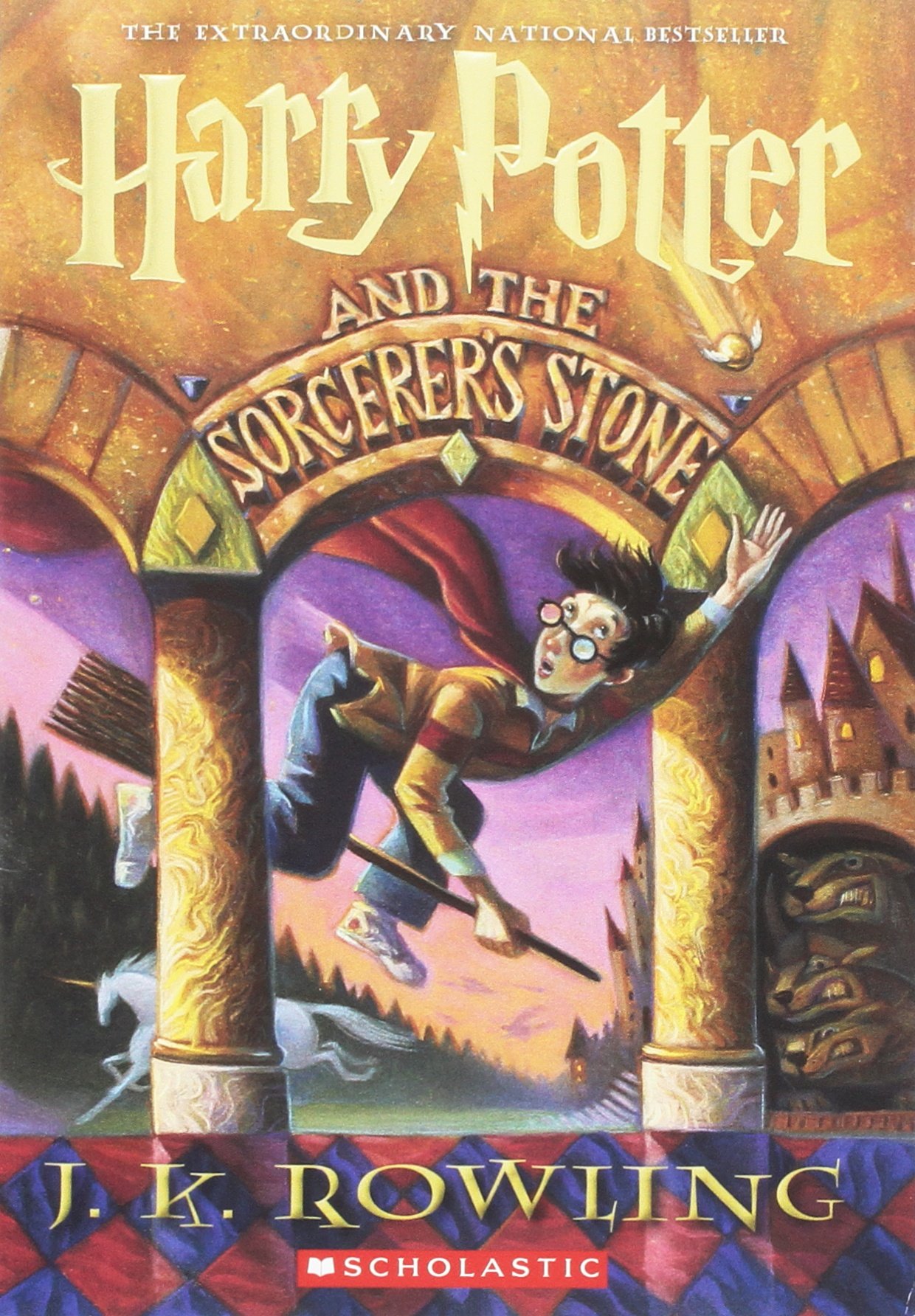
On his eleventh birthday, orphan Harry Potter learns the shocking truth: he's a wizard about to begin his education at Hogwarts School of Witchcraft and Wizardry.
Vocabulary from "Beowulf" (translated by by Gummere).