reluctance
Other forms: reluctances
Reluctance means "unwillingness." Your reluctance to travel on an airplane would be understandable if you glimpsed the pilot and copilot wearing party hats and blowing noisemakers.
If you'd rather not do something, you feel a sense of reluctance about it. You pause for a moment, maybe to consider whether you should really go through with it, or just to enjoy the last moment before it happens. The word comes from the Latin reluctari, or to struggle against. There's always a struggle when reluctance is present, in that you feel pressure to do something or in not agreeing right away, someone is going to be disappointed.
-
a certain degree of unwillingness“a reluctance to commit himself”synonyms: disinclination, hesitancy, hesitation, indisposition
-
(physics) opposition to magnetic flux (analogous to electric resistance)type of:electrical phenomenona physical phenomenon involving electricity
- MLA
- APA
- Chicago
Vocabulary lists containing reluctance

In this dark and creepy novel, a young girl finds a door to another world that is strangely like her own — but filled with danger.
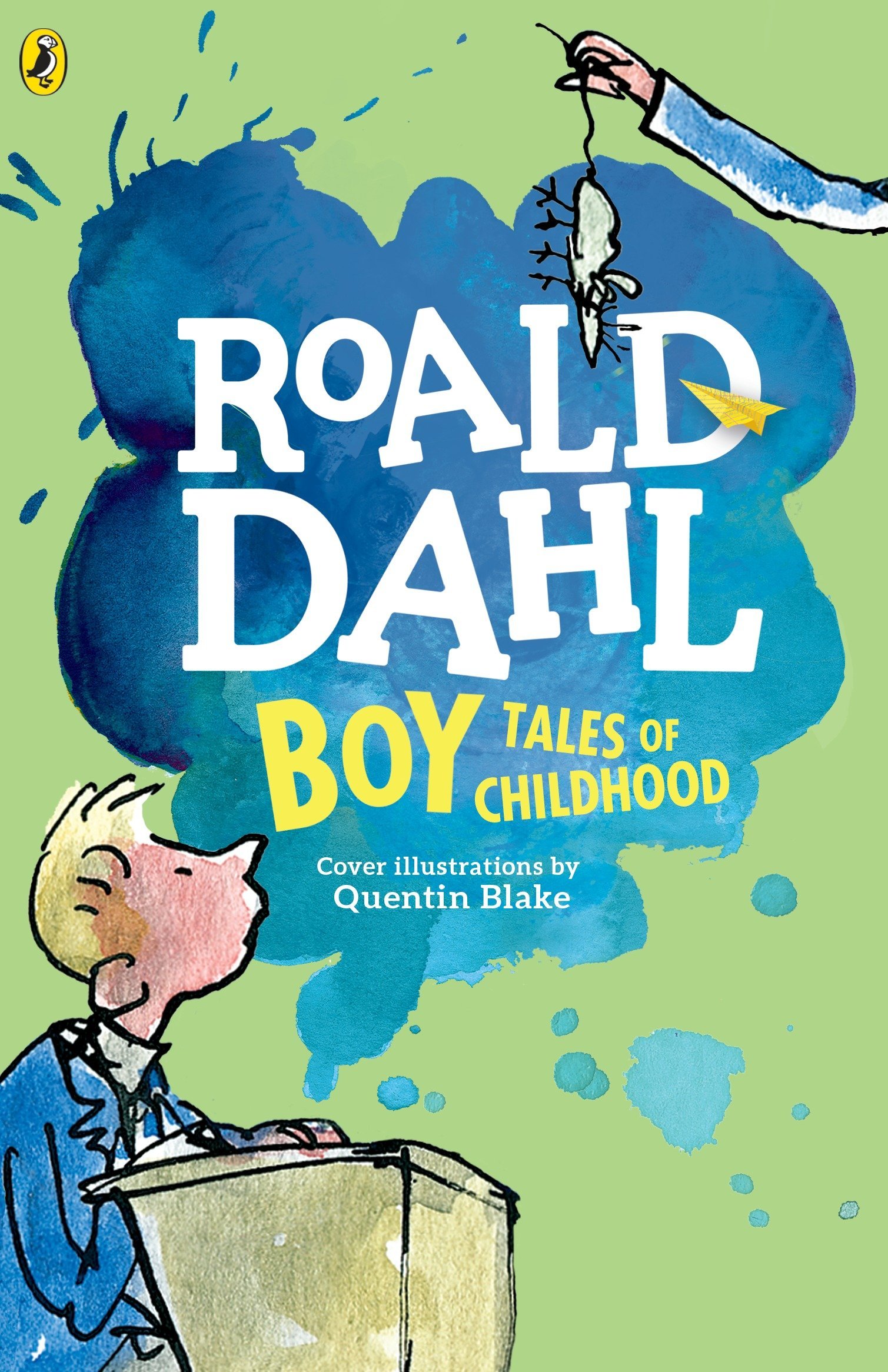
Renowned writer Roald Dahl, the author of such children's classics as Charlie and the Chocolate Factory and Matilda, recounts unexpected and fascinating stories from his own childhood.

Stargirl Caraway lives life on her own terms, but when she moves to a new town her unique personality rubs others the wrong way. As the school year goes on, Stargirl is torn between staying true to herself and fitting in.