primogeniture
Primogeniture is when the oldest son inherits all or more of his parents' stuff than any of his siblings. When a king dies, his eldest typically son inherits the throne by the rules of primogeniture.
It may seem vastly unfair, but primogeniture dates back to the Old Testament. Examples of this practice in which the first-born son receives exclusive inheritance rights can be found throughout history and around the world — from the Middle East to Medieval Europe. Today, perhaps the most widely known example of primogeniture is the succession of the British throne, which gives preference to the eldest male child above all others.
-
right of inheritance belongs exclusively to the eldest sontype of:heritage, inheritancethat which is inherited; a title or property or estate that passes by law to the heir on the death of the owner
- MLA
- APA
- Chicago
Vocabulary lists containing primogeniture
No time to scour the headlines or watch the news? No problem! We’ve rounded up the top words heard, read, debated, and discussed this week. This week was one that contained both terrible suffering and terrific joy. There were two indiscriminate acts of violence in North America perpetrated by delusional men, leaving many dead and the world asking why such senseless events occur. Some joy was brought by French President Emmanuel Macron, well-known for his famous bonhomie, who visited the White House. And the birth of a prince brought hope and happiness to royal-watchers around the world. Take a look back at the week that was, vocabulary style.
Vocabulary.com and the New York Times Learning Network have teamed up to launch a Vocabulary Video contest. Just create a short (15 seconds or less) video that defines or teaches any of the words in the Times' Word of the Day collection, post it online, and submit a link to your video in the Learning Network's comments section. Click on these links to learn more about the eligible words: List 1, List 2 and List 3.
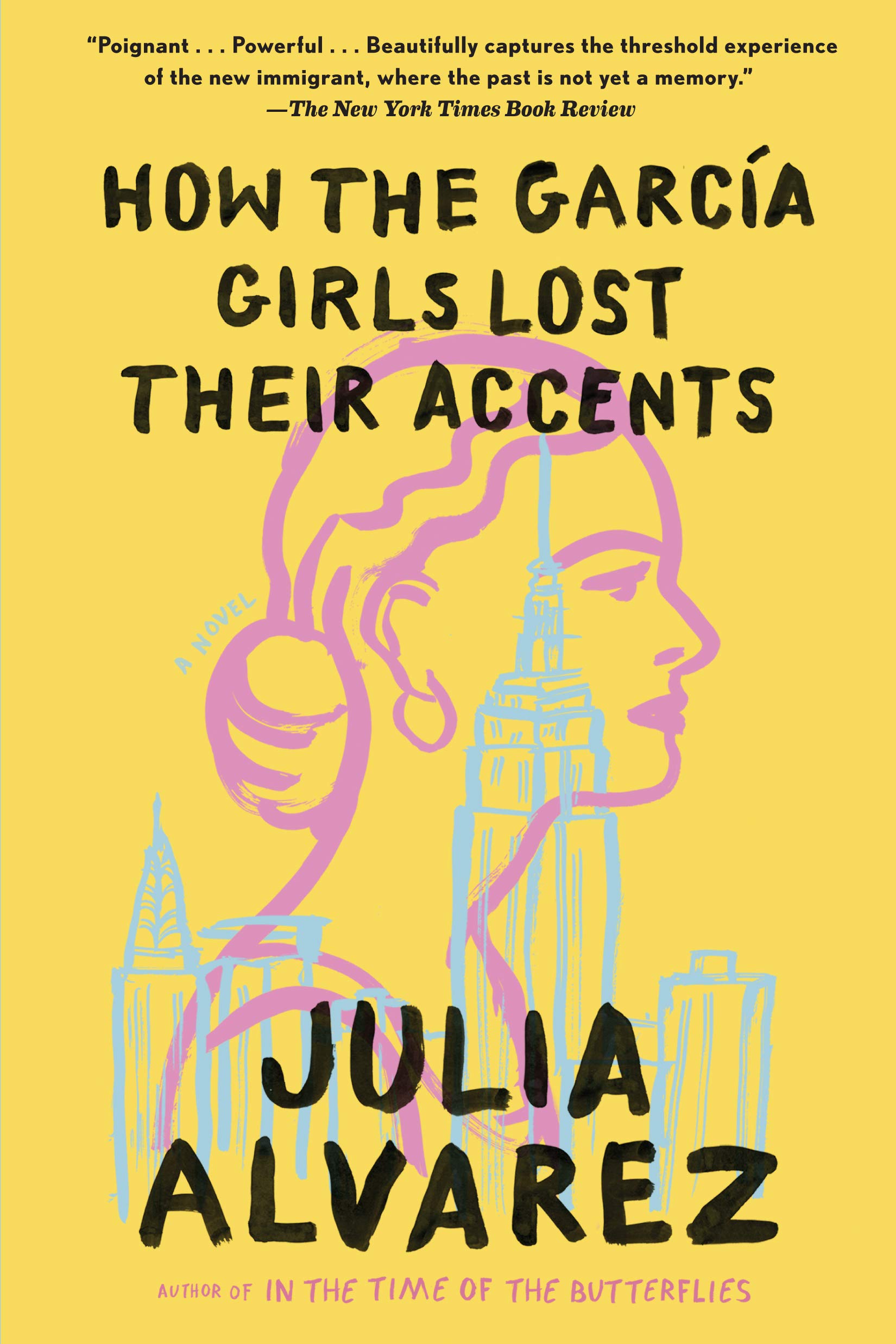
After they move from the Dominican Republic to New York City, the four García sisters are caught between the expectations of their traditional parents and their own desire to assimilate to American culture.