pi
In math, pi is the ratio of a circle's circumference to its diameter. No matter how large or small a circle is, this ratio will always equal pi, or approximately 3.14.
Although it sounds just like pie, this kind of pi isn't a delicious dessert with a pastry crust. Instead, it's an irrational number, one that can't be written as a simple fraction but instead goes on infinitely after the decimal point. Rounded to 3.14, it's close enough to help you calculate the diameter, radius, or area of a circle in your geometry class. Pi is an abbreviation of the Greek periphereia, "periphery."
-
the ratio of the circumference to the diameter of a circle; approximately equal to 3.14159265358979323846...type of:transcendental numberan irrational number that is not algebraic
-
the 16th letter of the Greek alphabettype of:alphabetic character, letter, letter of the alphabetthe conventional characters of the alphabet used to represent speech
- MLA
- APA
- Chicago
Vocabulary lists containing pi

Learn these words relating to pi, the mathematical constant and the 16th letter of the Greek alphabet. Pi Day is celebrated on March 14th, or 3/14, the date that corresponds to the first (and most well-known) digits in the decimal form of Pi.
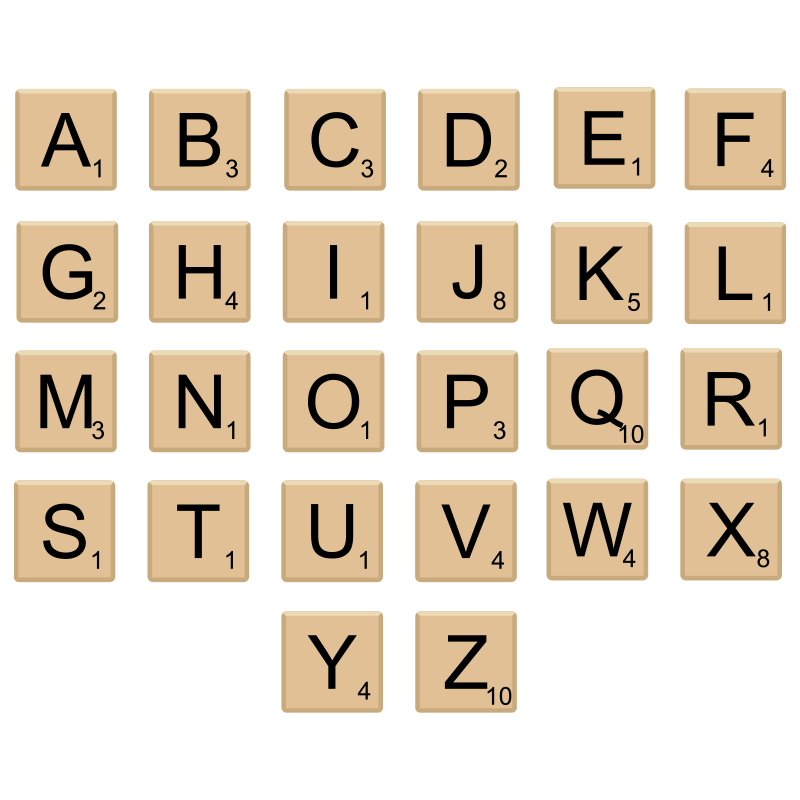
Near the end of a Scrabble game, two-letter words reign supreme. Eke out a victory with this list of two-letter words. Check out our other lists in the collection: High Scoring Words Two-Letter Words Four-Letter Words with 3 Vowels Words with 5 Vowels Words with no Vowels Words that Start with Q Words with Q without U Words that Start with X Palindromes
If you feel obtuse when it comes to angles, review this list of geometry terms. You'll learn about planes, polygons, perimeter, and more. It's as easy as pi!