parry
Other forms: parried; parrying; parries
Sword fighters thrust and parry. To thrust is to try to stab, and to parry is to avoid getting stabbed by blocking a thrust. Though it comes from fencing, parry is also handy in dodgeball and awkward conversations
The word parry means to block or evade a movement, like in fencing, but it can also refer to an evasion that is verbal rather than physical. If someone asks you who you have a crush on, but you don’t want to answer, parry the question — change the subject or ask a question in return. When used in this way parry retains its sense of defending yourself through evasion.
-
impede the movement of (an opponent or a ball)
-
avoid or try to avoid fulfilling, answering, or performing (duties, questions, or issues)
-
(fencing) blocking a lunge or deflecting it with a circular motion of the sword
-
a return punch (especially by a boxer)
- MLA
- APA
- Chicago
Vocabulary lists containing parry
The top 1,000 vocabulary words have been carefully chosen to represent difficult but common words that appear in everyday academic and business writing. These words are also the most likely to appear on the SAT, ACT, GRE, and ToEFL. To create this list, we started with the words that give our users the most trouble and then ranked them by how frequently they appear in our corpus of billions of words from edited sources. If you only have time to study one list of words, this is the list.
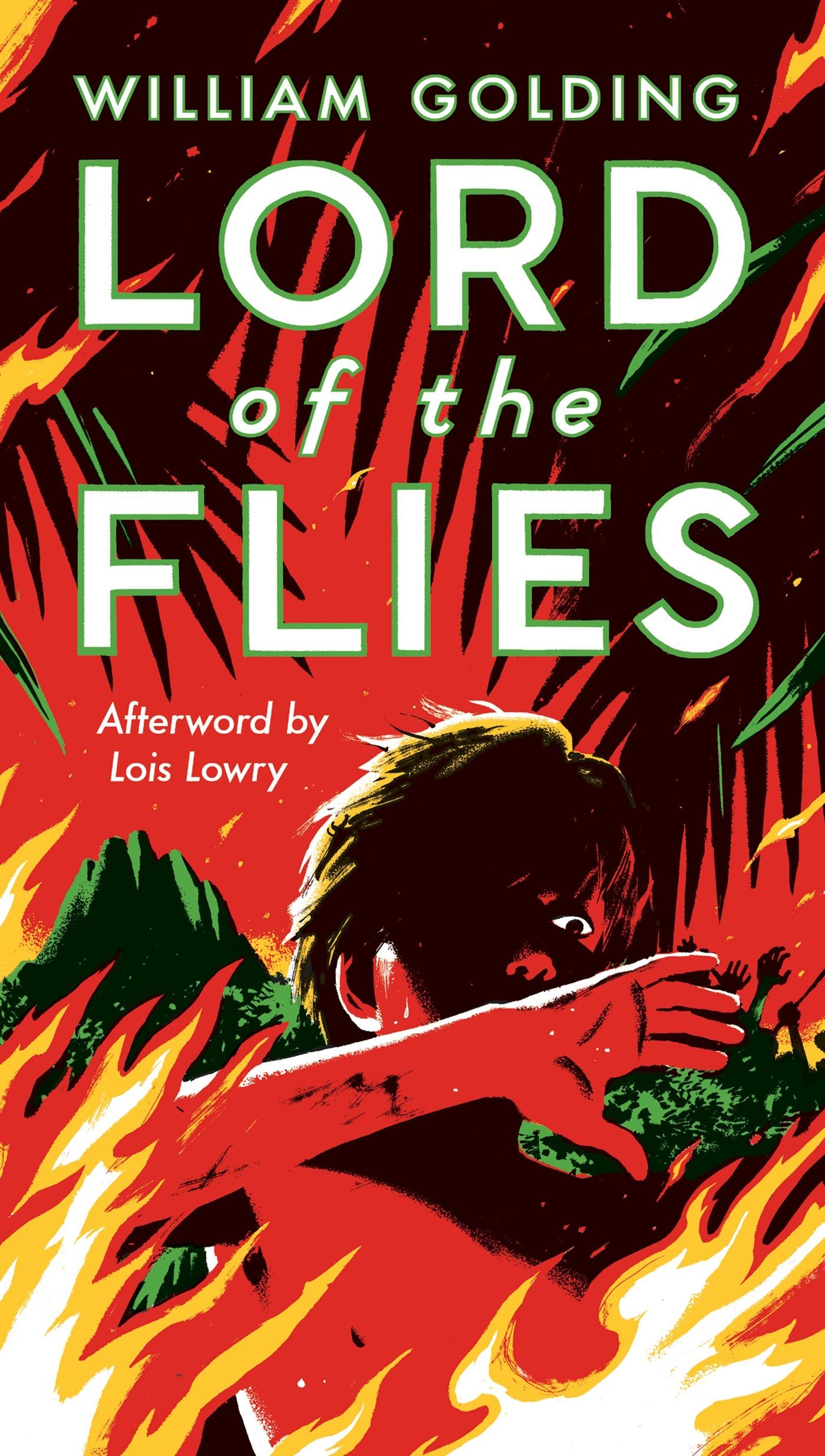
When they are marooned on a deserted island, a group of schoolboys attempts to form a new society.

Percy Jackson's normal life is turned upside down when gods from Greek mythology accuse him of stealing a supernatural weapon. Percy must find the real thief — and figure out his connection to the gods.