paradox
Other forms: paradoxes
Here's a mind-bender: "This statement is false." If you think it's true, then it must be false, but if you think it's false, it must be true. Now that's a paradox!
A paradox is a logical puzzler that contradicts itself in a baffling way. "This statement is false" is a classic example, known to logicians as "the liar's paradox." Paradoxical statements may seem completely self-contradictory, but they can be used to reveal deeper truths. When Oscar Wilde said, "I can resist anything except temptation," he used a paradox to highlight how easily we give in to tempting things while imagining that we can hold firm and resist them.
- MLA
- APA
- Chicago
paradox / oxymoron
Vocabulary lists containing paradox
One of the stumbling blocks when trying to study poetry is that it seems like a different world. Familiar things, like words, are put to unfamiliar use, and there is an entire descriptive vocabulary that is completely foreign and quite often puzzling. This list seeks to explain the words used to describe poetry through examples from famous poems. Nassim Nicholas Taleb said, "If you want to annoy a poet, explain his poetry," but we are willing to take that risk to make the world of literary analysis a little clearer and further illuminate the mystery of poetry.
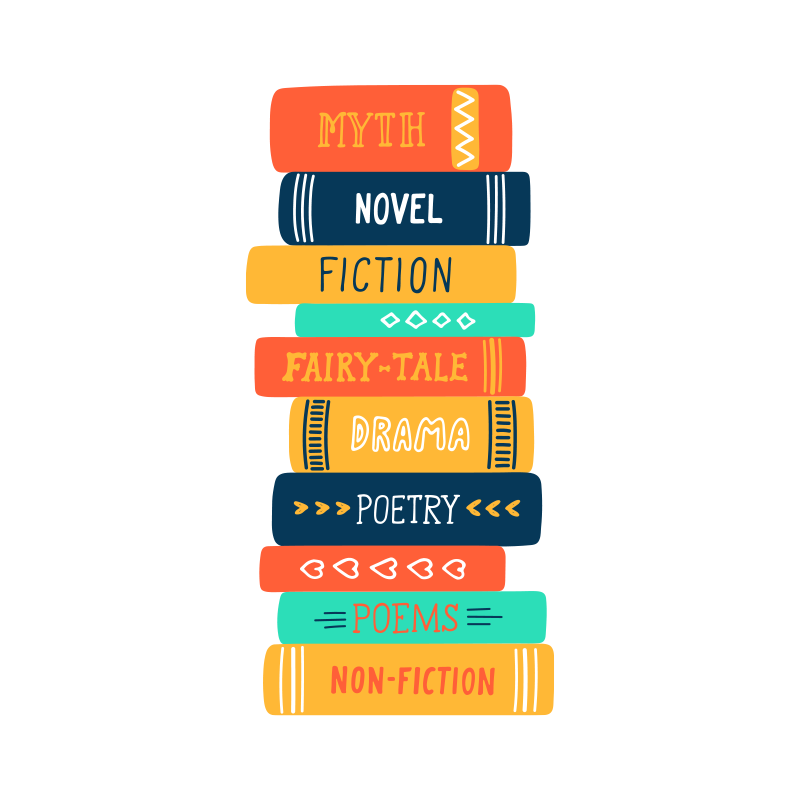
If you want to understand the tools and techniques that great writers use, learn these literary devices and figures of speech. Review this vocabulary list and you'll be a master of metaphor, an expert on euphemism, and a pro at puns.
From alliteration to zeugma, this list covers the literary devices you need to know in order to understand and analyze poetry. To learn even more about poetry, explore our lists on Genre and Structure and Meter.