lisp
Other forms: lisped; lisping; lisps
A lisp is a manner of speaking so that s and other similar consonants are blurred into more of a th- sound. Most little kids have a bit of a lisp when they first start speaking.
If you speak with a lisp, you can also say that you tend to lisp — and if you lisp in a way that makes it hard for people to understand what you're saying, you can visit a speech therapist who will teach you to speak without a lisp. Sometimes dental work — braces, or a mouth that's numb from having cavities filled — can give you a temporary lisp. Lisp comes from the imitative Old English wlisp.
- MLA
- APA
- Chicago
Vocabulary lists containing lisp
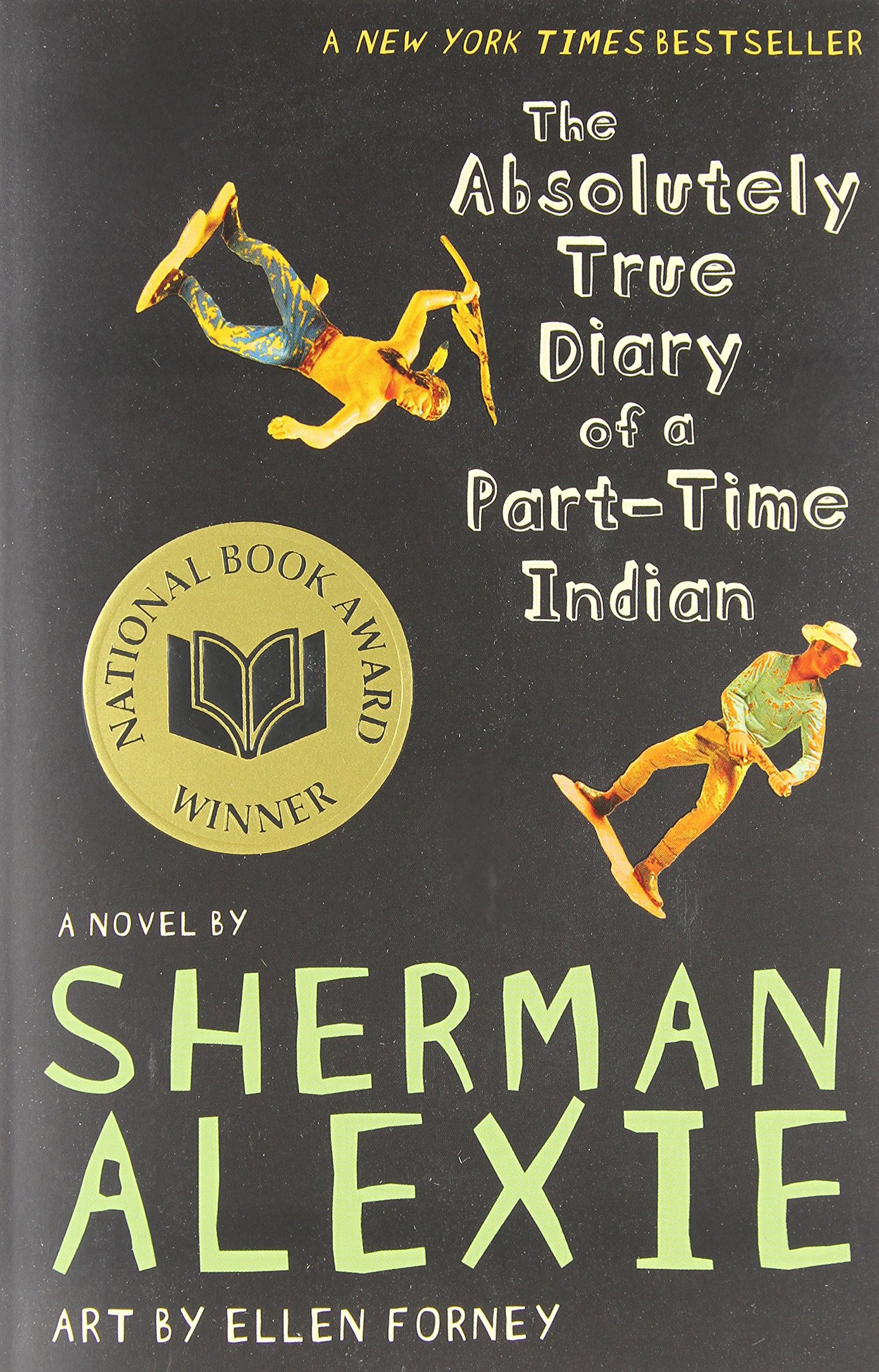
Arnold Spirit, Jr., a young cartoonist who lives on the Spokane Indian reservation, decides to transfer to a school in which he will be the only American Indian student.
When characters in stories "speak", certain words tell us how that dialog is supposed to sound. Their spoken words evoke different tones, sounds, and meaning. changes the tone and meaning of what they're saying. Pump up the volume on your writing with these words to use for dramatic dialogue.

This novel weaves together characters and incidents from the same neighborhood, block by block.