inviolable
Other forms: inviolably
Wedding vows and vault combinations that can’t be broken are considered inviolable. (Of course, divorce lawyers and bank robbers consider this a challenge.)
The word can refer to a physical structure (a fortress, for instance) or something more conceptual (human rights or morals, perhaps). Inviolable has changed little from its Latin origin of inviolabilis, which combines the prefix in- (meaning "not") with the verb violare ("to violate"). Inviolable turns up in religious settings too, usually in reference to texts or rites. In that context, it means "sacred." No surprise: the antonym of inviolable is violable ("accessible or penetrable").
-
incapable of being transgressed or dishonored“the person of the king is inviolable”“an inviolable oath”synonyms:antonyms:violablecapable of being violated
-
immune to attack; incapable of being tampered with“fortifications that made the frontier inviolable”synonyms: impregnable, secure, strong, unassailable, unattackableinvulnerableimmune to attack; impregnable
-
not capable of being violated or infringedsynonyms: absolute, infrangible
-
treated as if holy and kept free from violation or criticismsynonyms: inviolate, sacrosanctsacredconcerned with religion or religious purposes
- MLA
- APA
- Chicago
Vocabulary lists containing inviolable
Just as "history is written by the winners," the historical record often skips over missteps or mistakes made by those same winners. The Articles of Confederation were the founding fathers' first attempt at establishing an central alliance of all the different states in 1777. Although a valiant effort, the provisions laid down in this document didn't quite work the way the writers wanted them to, and they soon realized they had to start again with a new document. That second try is known as The Constitution, and it endures to this day. Here are 43 vocabulary words from The Articles of Confederation. The entire document is available here.
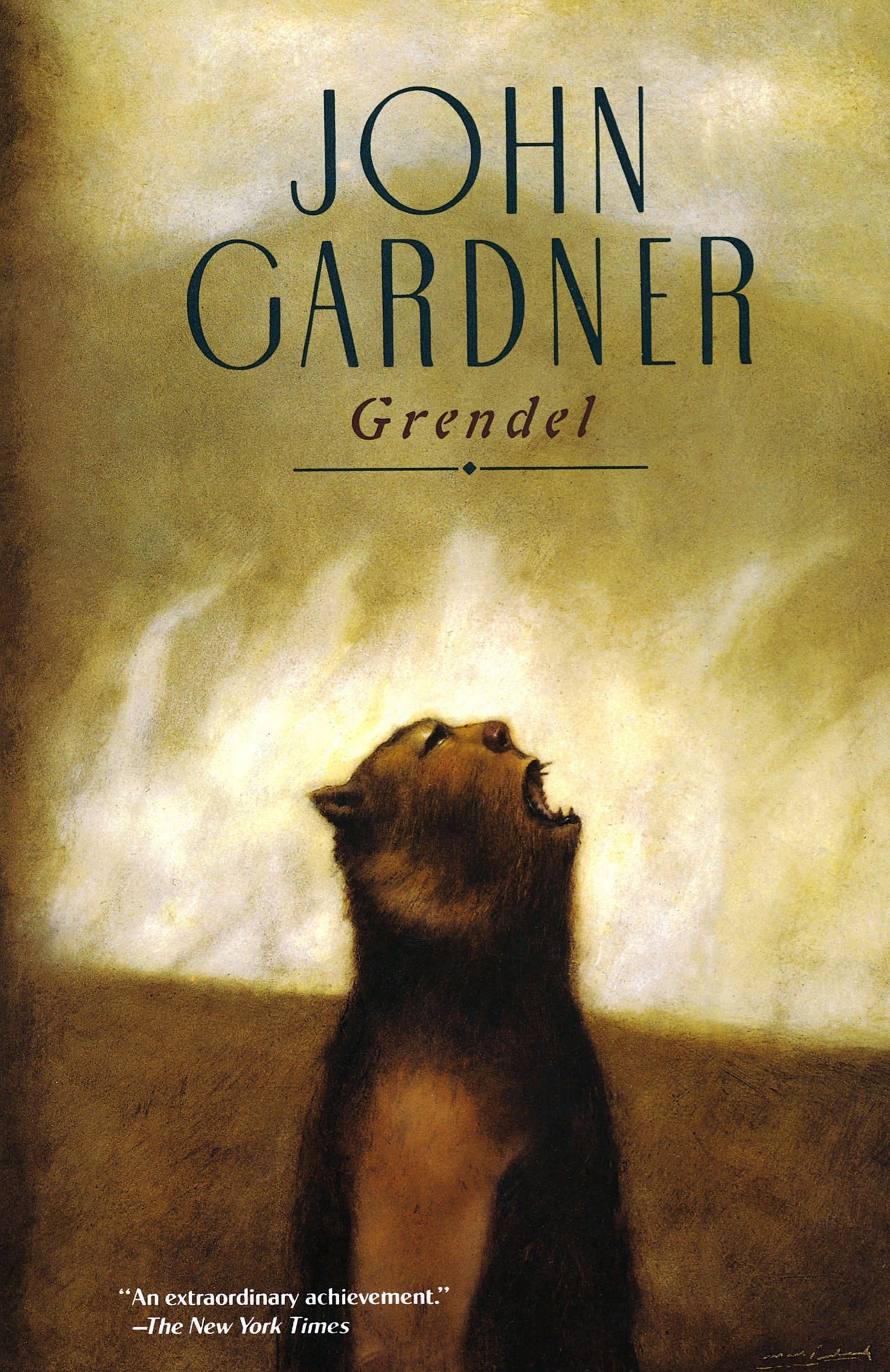
In this retelling, the monster from the Old English epic Beowulf, shares his own story.
The Articles of Confederation was the first constitution of the United States. Created by the Continental Congress in 1777 it featured a loose confederation or union of sovereign states. In contrast to Britain’s Parliament, the Articles strictly limited the power of the national government. Despite this weakness the United States successfully won the Revolutionary War under the Articles. In 1787 a Constitutional Convention met in Philadelphia and created our present plan of government, the U.S. Constitution which then replaced the Articles.