habeas corpus
Other forms: habeas corpuses
The law says if the government is keeping a person in jail, it is obligated to explain why: when someone legally demands such an explanation, the order is called a writ of habeas corpus.
It would be pretty bad if the government could imprison you for no reason with no explanation, right? That can happen in totalitarian countries, but in democracies we depend on habeas corpus, which requires a judge to release someone when there's no lawful reason to imprison them. Like most legalese, habeas corpus is Latin, literally "You should have the person," and it means a person can’t be locked up without explanation or trial — they must be brought before a judge.
-
a writ ordering a prisoner to be brought before a judgesynonyms: writ of habeas corpus
-
the civil right to obtain a writ of habeas corpus as protection against illegal imprisonmenttype of:civil rightright or rights belonging to a person by reason of citizenship including especially the fundamental freedoms and privileges guaranteed by the 13th and 14th amendments and subsequent acts of Congress including the right to legal and social and economic equality
- MLA
- APA
- Chicago
Vocabulary lists containing habeas corpus
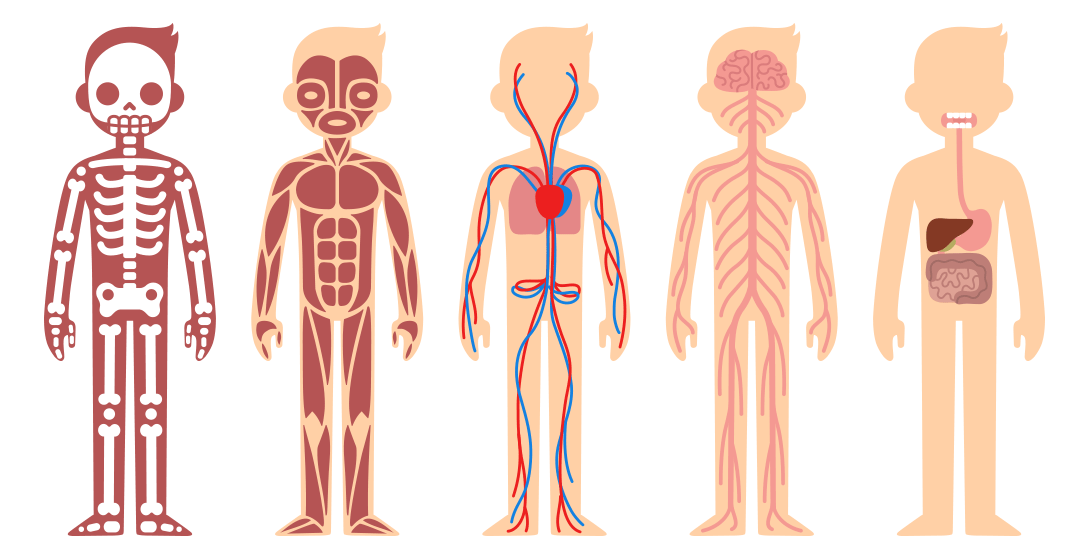
Learn these words that derive from the Latin word corpus, meaning "body." Want to dissect more English words related to anatomy? Here are links to our complete set of Body Language lists: Corp ("Body") / Capit, Capt ("Head") / Or, Os ("Mouth") / Dent, Dont ("Tooth") / Gastr, Gastro ("Stomach") / Neur ("Nerve") / Man ("Hand") / Ped, Pod ("Foot") / Derm ("Skin") / Carn ("Flesh") / Os, Osteo ("Bone") / Cor, Cord, Cardio ("Heart") / Psych ("Mind")

The Constitution is, quite simply, the basis of American democracy. The document details what the branches of government must do, what they are entitled to do, and what they cannot do. Read the full text here.

George Dawson, who lived from 1898 to 2001 and learned to read at the age of 98, reflects on the life lessons he learned over the course of the 20th century.