granule
Other forms: granules
A teeny, tiny particle of something is a granule. If ants love to invade your kitchen, you'll need to carefully clean up every last granule of the sugar you spilled on the floor.
In geology, a granule is actually a specific, measurable amount. It's between two and four millimeters — larger than a grain of sand, but smaller than a pebble. In everyday use, a granule is just a very small piece of something. If your little brother is especially sensitive, he may insist on periodically stopping during a hike to empty granules of gravel out of his sneakers. Granule comes from the Late Latin granulum, "small grain."
-
a tiny graintypes:microsomea tiny granule in the cytoplasm that is where protein synthesis takes place under the direction of mRNAchondrulesmall granule (of e.g. chrysolite) found in some meteoric rocksplastidany of various small particles in the cytoplasm of the cells of plants and some animals containing pigments or starch or oil or proteinchromoplastplastid containing pigments other than chlorophyll usually yellow or orange carotenoidschloroplastplastid containing chlorophyll and other pigments; in plants that carry out photosynthesistype of:graina relatively small granular particle of a substance
- MLA
- APA
- Chicago
Vocabulary lists containing granule

In this nonfiction account, Marc Aronson and Marina Budhos trace the not-so-sweet history of sugar and its role in the slave trade.

Set during World War II, this novel tells the story of a pilot who attempts to find his way home after his plane is shot down.
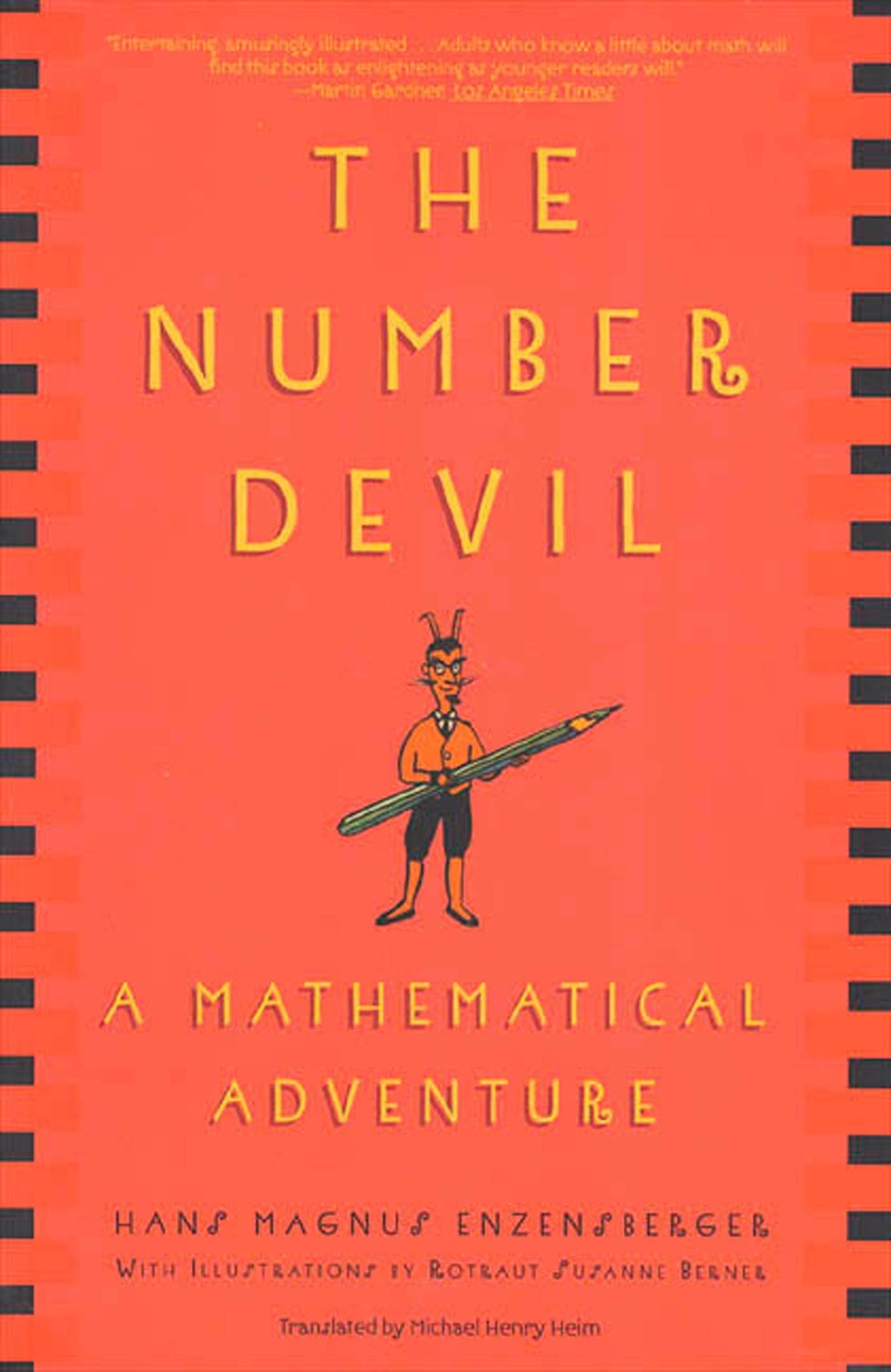
Robert, a twelve-year-old boy who hates math, meets a Number Devil in his dreams who helps him explore, understand, and appreciate the powerful world of numbers.