extant
Use the adjective extant to describe old things that are still around, like your extant diary from third grade or the only extant piece of pottery from certain craftspeople who lived hundreds of years ago.
Extant is the opposite of extinct: it refers to things that are here — they haven't disappeared or been destroyed. Use extant to describe things that it may be surprising to learn are still around — you wouldn't say jeans you bought last year are extant, but a pair of jeans worn by Marilyn Monroe back in the 1950s? Definitely extant.
-
still in existence; not extinct or destroyed or lost“extant manuscripts”synonyms:livingstill in active useantonyms:extinctno longer in existence; lost or especially having died out leaving no living representativesnonexistentnot having existence or being or actualitydeadnot surviving in active use
- MLA
- APA
- Chicago
extant / extent
Vocabulary lists containing extant
Looking to build your vocabulary? Then practice this list of 300 "hard words" — the kind that used to be tested on the SAT before 2016. If you're a high school student prepping for the SAT, check out Vocabulary.com's Roadmap to the SAT, which focuses on the vocabulary you'll need to ace today's SAT test.
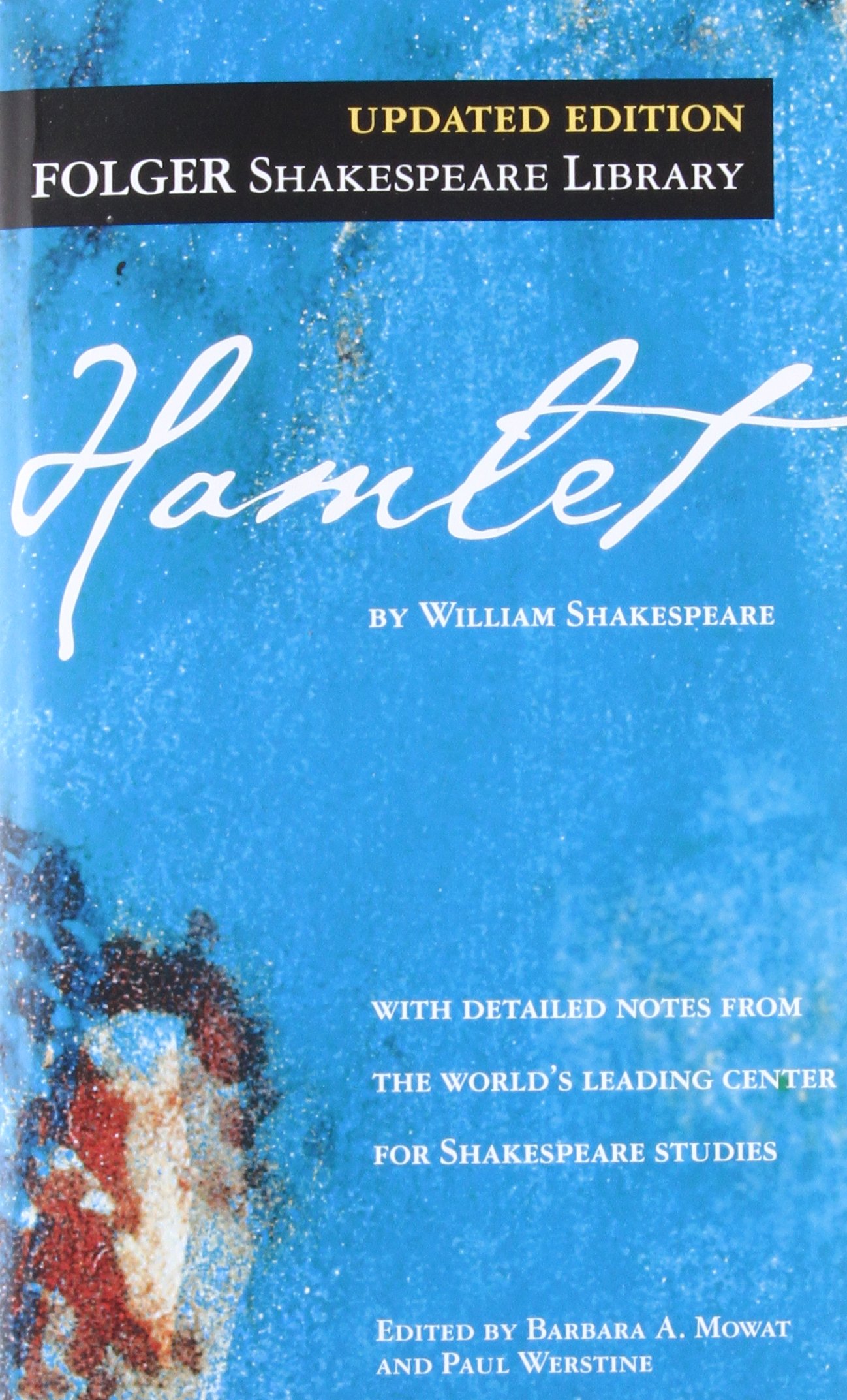
Shakespeare's famous tragedy tells the story of a Danish prince who must decide whether or not to avenge his father's death.
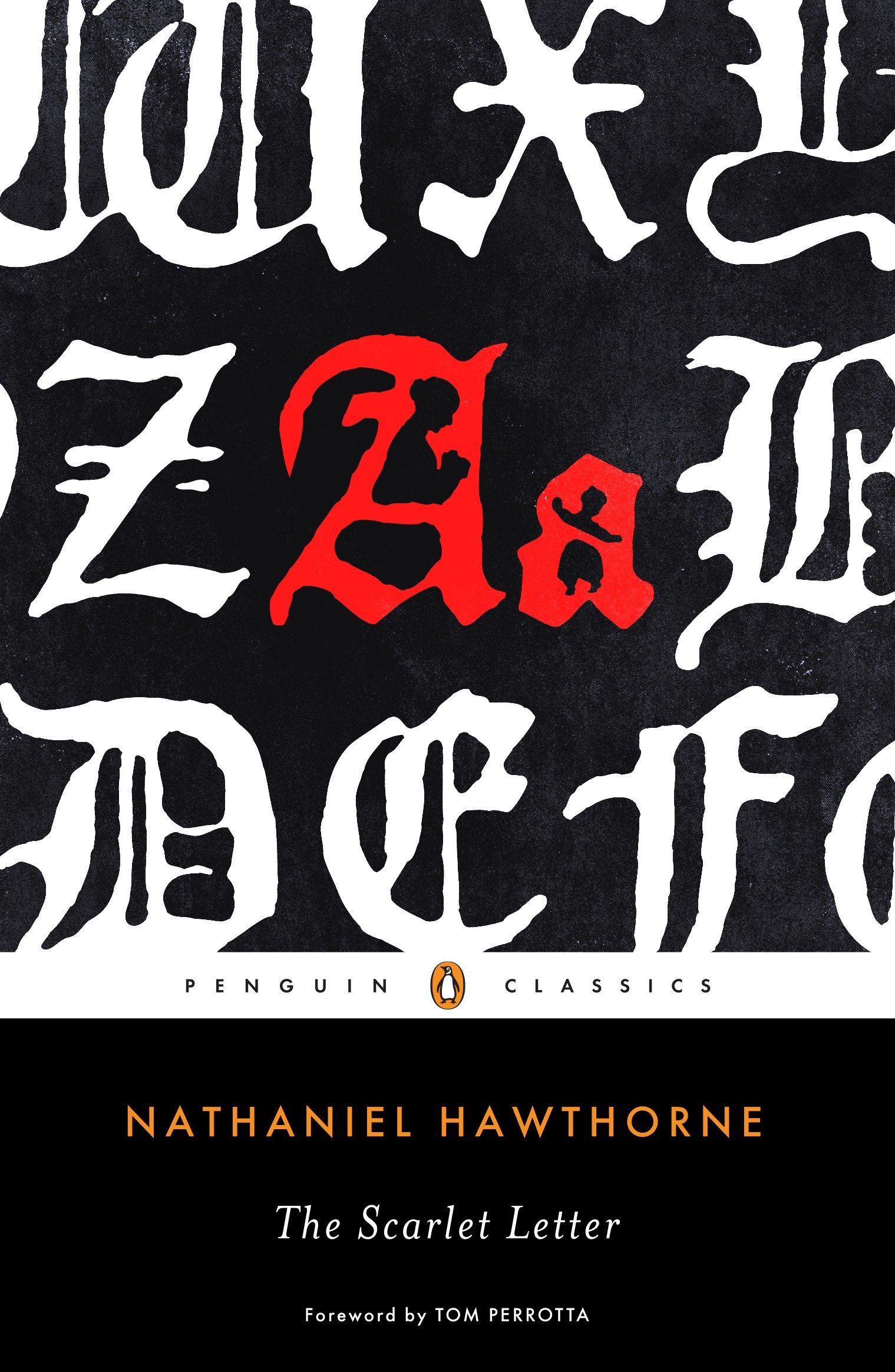
After having a child out of wedlock, Hester Prynne is shunned by her Puritan community and forced to wear a scarlet "A" on her clothing — but Hester is not the only one who has transgressed. This classic novel explores guilt, sin, and hypocrisy.