epidemiology
Epidemiology is the study of diseases: specifically, how they are caused, how they are spread, and how they are controlled or cured. To be sure, it's a nasty job, but someone has to do it!
The ancestry of the word epidemiology comes from the Greek word epidēmia, meaning "prevalence of disease." Although the actual term didn't come about to describe the study of epidemics until 1802, the Greek physician Hippocrates is called "the father of epidemiology" for being the first to study the relationship between diseases and the environments that influences them. The study of epidemiology covers a wide variety of diseases, including infectious, chronic, and neurological diseases, and even includes the study of injuries.
- MLA
- APA
- Chicago
Vocabulary lists containing epidemiology

Review these human geography terms and learn all about the human forces that shape and are shaped by the natural world.You'll explore immigration and emigration, colonialism, development and urbanization, demography, globalization, and much more. Expand the boundaries of your vocabulary with this list!
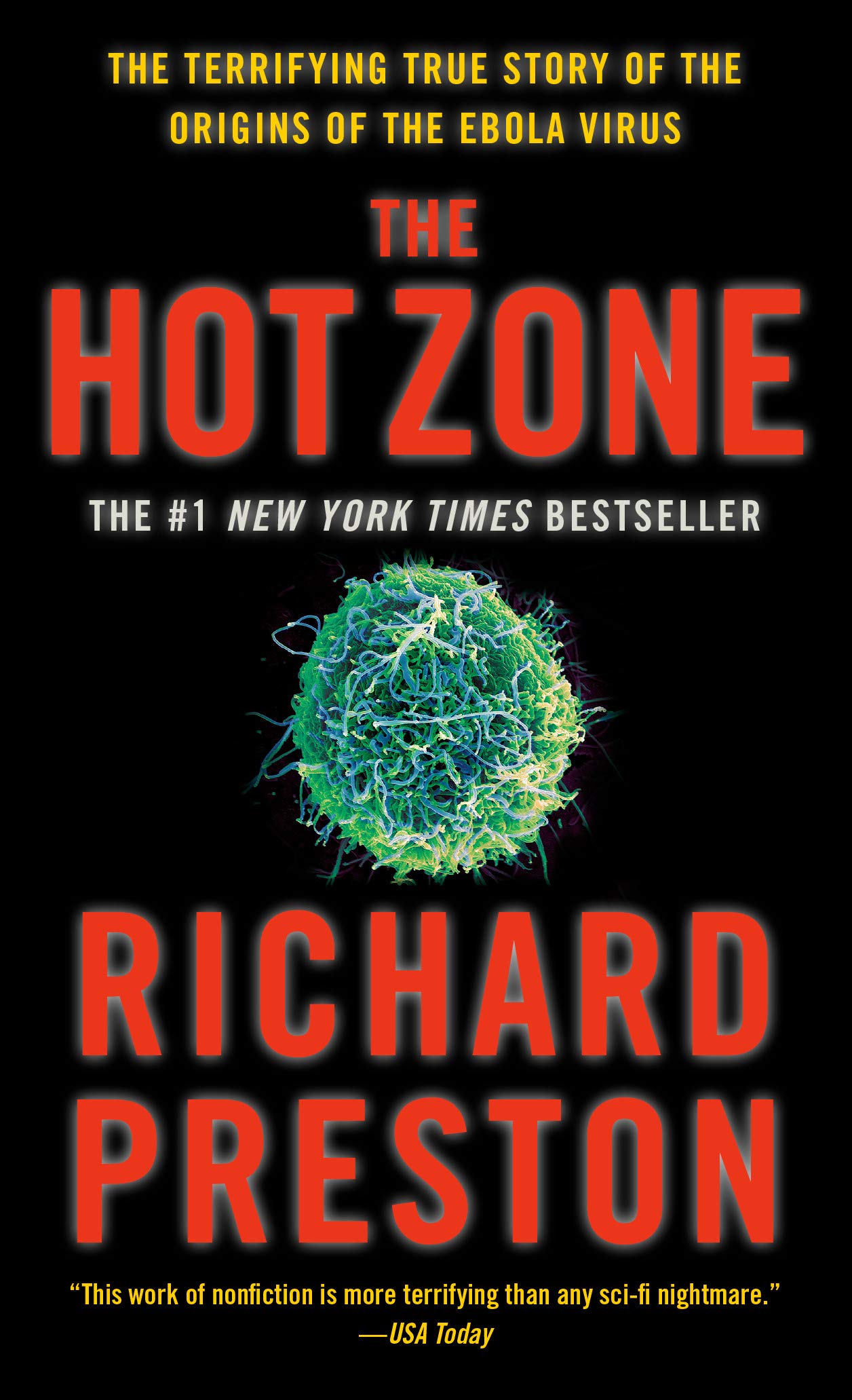
In this riveting nonfiction account, Richard Preston traces the emergence and spread of the deadly Ebola virus.
You won't sweat the small stuff once you master these words related to microbiology. Learn about bacteria, viruses, fungi, and other microorganisms, and review parts of cells, immunology, and relationships such as symbiosis and parasitism. You'll definitely want to put this vocabulary list under the microscope!