disorientation
Other forms: disorientations
Disorientation is a state of being confused or having lost your bearings. It's normal to feel some disorientation when you step off a train in an unfamiliar city.
It's pretty common to experience disorientation, when you temporarily lose your sense of direction or even feel confused about which way is up or down. This can happen in a new school, on a boat in the fog, or on an amusement park ride that spins you upside down. Disorientation comes from the French word s'orienter, which means "to get one's bearings" or "to face east."
-
confusion (usually transient) about where you are and how to proceed; uncertainty as to direction“his disorientation was the result of inattention”types:culture shocka condition of disorientation affecting someone who is suddenly exposed to an unfamiliar culture or way of life or set of attitudestype of:confusedness, confusion, disarray, mental confusion, muddinessa mental state characterized by a lack of clear and orderly thought and behavior
-
a wild delusion (especially one induced by a hallucinogenic drug)synonyms: freak out
- MLA
- APA
- Chicago
Vocabulary lists containing disorientation
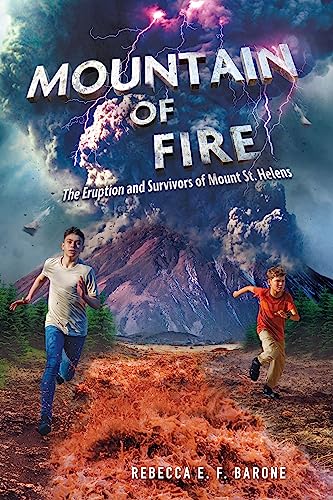
The historic account of Mount St. Helens’ violent volcanic eruption in 1980 is filled with real-life stories of survivors, heroes, and a devastation of nature almost beyond belief. It all started at 8:32 a.m., Sunday, May 18, 1980. Here are links to our lists for the book: Prologue–Chapter 14, Chapters 15–27, Chapters 28–37, Chapter 38–Epilogue

This novel delves into one boy's experience of struggling with an eating disorder and self-esteem issues after going through an enormous loss.

Twelve-year-old Reef Moody and Theo Metzinger were both born on March 23 in the same town, yet they don’t know each other, until their minds suddenly start to swap memories.