burlesque
Other forms: burlesques; burlesqued; burlesquing; burlesquely
In contemporary usage, burlesque is a playfully nostalgic form of striptease — think fans and feather boas rather than explicit nudity — but this is just the latest form of an ironic style of entertainment dating back to medieval times.
Burlesque comes from burla, Spanish for "joke." Comedy has always been an essential part of burlesque art, but it's comedy of a particular kind. Burlesque is satirical, and it uses exaggeration that can be extreme. Early examples of burlesque in English literature can be found in the Canterbury Tales. By the eighteenth century, the word was used to describe often risqué parodies of serious operas or plays. Burlesque became associated with striptease in the music halls and vaudeville theaters of nineteenth-century America.
-
a theatrical entertainment of broad and earthy humor; consists of comic skits and short turns (and sometimes striptease)type of:showa social event involving a public performance or entertainment
-
a composition that imitates or misrepresents somebody's style, usually in a humorous waytype of:caricature, imitation, impersonationa representation of a person that is exaggerated for comic effect
-
make a parody of
-
relating to or characteristic of a burlesque“burlesque theater”
- MLA
- APA
- Chicago
Vocabulary lists containing burlesque
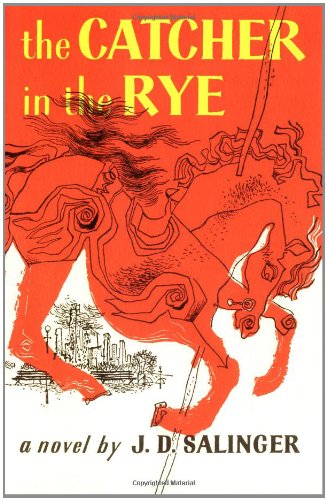
In J.D. Salinger's classic novel, Holden Caulfield leaves his prep school and experiences disillusionment and alienation while wandering around New York City.
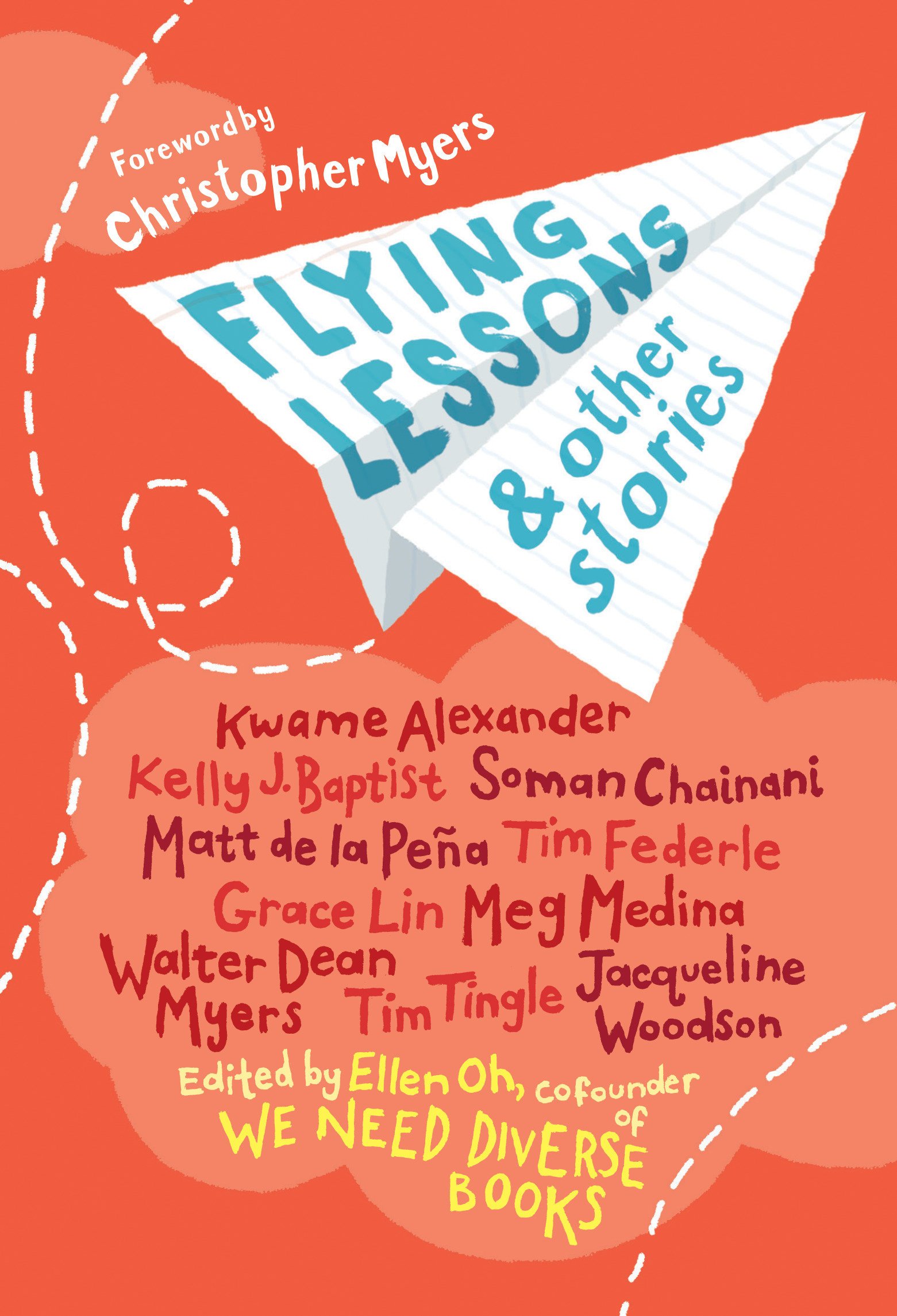
This collection, edited by We Need Diverse Books founder Ellen Oh, features short stories by popular writers of middle grade and young adult fiction.
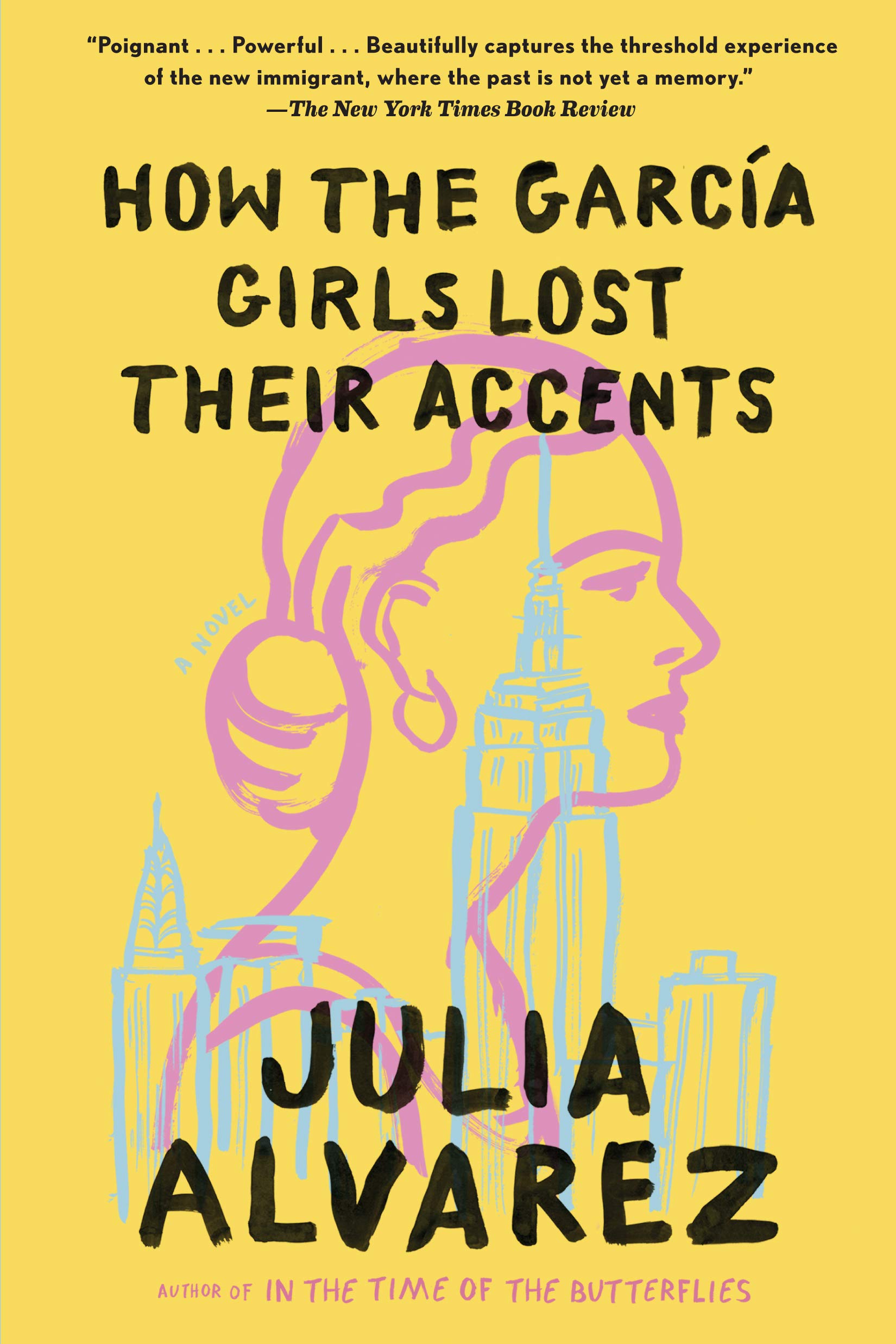
After they move from the Dominican Republic to New York City, the four García sisters are caught between the expectations of their traditional parents and their own desire to assimilate to American culture.