arthropod
Other forms: arthropods
An arthropod is an animal with no internal spine, a body made of joined segments, and a hard covering, like a shell. Spiders are one type of arthropod.
Many different kinds of animals fall into the category known as arthropods, most of them insects or spiders, but also including crustaceans like shrimp, crabs, and lobsters. Their bodies are jointed and they have an exoskeleton, their hard outer covering. The Modern Latin root is Arthropoda, which is also the name of the animals' phylum, and which means "those with jointed feet."
-
invertebrate having jointed limbs and a segmented body with an exoskeleton made of chitintypes:trilobitean extinct arthropod that was abundant in Paleozoic times; had an exoskeleton divided into three partsmyriapodgeneral term for any terrestrial arthropod having an elongated body composed of many similar segments: e.g. centipedes and millipedesScutigerella immaculata, garden centipede, garden symphilid, symphilidminute arthropod often infesting the underground parts of truck-garden and greenhouse cropscentipedea long, venomous insect-like creature having many body segments, each with many pairs of legs and belonging in the Arthropoda phylummillepede, milliped, millipedeany of numerous herbivorous nonpoisonous arthropods having a cylindrical body of 20 to 100 or more segments most with two pairs of legspycnogonid, sea spiderany of various small spiderlike marine arthropods having small thin bodies and long slender legsMerostomata, class Merostomataused in some classifications; includes the orders Xiphosura and EurypteridaLimulus polyphemus, Xiphosurus polyphemus, horseshoe crab, king crablarge marine arthropod of the Atlantic coast of North America having a domed carapace that is shaped like a horseshoe and a stiff pointed tail; a living fossil related to the wood louseAsian horseshoe crabhorseshoe crab of the coast of eastern Asiaeurypteridlarge extinct scorpion-like arthropod considered related to horseshoe crabspentastomid, tongue wormwormlike arthropod having two pairs of hooks at the sides of the mouth; parasitic in nasal sinuses of mammalscrustaceanany mainly aquatic arthropod usually having a segmented body and chitinous exoskeletononychophoran, peripatus, velvet wormany of numerous velvety-skinned wormlike carnivorous animals common in tropical forests having characteristics of both arthropods and annelid wormsinsecta small creature with six legs, three body fragments, two antennae, and usually wings belonging in the Arthropoda phyluminstaran insect or other arthropod between moltsPhalangium opilio, daddy longlegs, harvestmanspiderlike arachnid with a small rounded body and very long thin legsscorpiona small arachnid with pincers and a stinging, poisonous tail found in warm, dry regionswhip scorpion, whip-scorpionnonvenomous arachnid that resembles a scorpion and that has a long thin tail without a stingerspiderpredatory arachnid with eight legs, two poison fangs, two feelers, and usually two silk-spinning organs at the back end of the body; they spin silk to make cocoons for eggs or traps for preyacarinemite or tickmalacostracan crustaceana major subclass of crustaceansdecapod, decapod crustaceancrustaceans characteristically having five pairs of locomotor appendages each joined to a segment of the thoraxbrachyurantypical crabsbranchiopod, branchiopod crustacean, branchiopodanaquatic crustaceans typically having a carapace and many pairs of leaflike appendages used for swimming as well as respiration and feedingcopepod, copepod crustaceanminute marine or freshwater crustaceans usually having six pairs of limbs on the thorax; some abundant in plankton and others parasitic on fishmussel shrimp, ostracod, seed shrimptiny marine and freshwater crustaceans with a shrimp-like body enclosed in a bivalve shellbarnacle, cirriped, cirripedemarine crustaceans with feathery food-catching appendages; free-swimming as larvae; as adults form a hard shell and live attached to submerged surfacesPlicatoperipatus jamaicensisa kind of onychophoransocial insectan insect that lives in a colony with other insects of the same speciesephemeral, ephemeronanything short-lived, as an insect that lives only for a day in its winged formdefoliatoran insect that strips the leaves from plantspollinatoran insect that carries pollen from one flower to anothergallflyany of various insects that deposit their eggs in plants causing galls in which the larvae feedmecopteranany of various carnivorous insects of the order Mecopteracollembolan, springtailany of numerous minute wingless primitive insects possessing a special abdominal appendage that allows the characteristic nearly perpetual springing pattern; found in soil rich in organic debris or on the surface of snow or waterproturan, telsontailany of several minute primitive wingless and eyeless insects having a cone-shaped head; inhabit damp soil or decaying organic matterbeetleinsect having biting mouthparts and front wings modified to form horny covers overlying the membranous rear wingsweb spinnerany of a small order of slender typically tropical insects that nest in colonies in silken tunnels that they spinlouse, sucking lousewingless usually flattened bloodsucking insect parasitic on warm-blooded animalsbird louse, biting louse, lousewingless insect with mouth parts adapted for biting; mostly parasitic on birdsfleaany wingless bloodsucking parasitic insect noted for ability to leapdipteran, dipteron, dipterous insect, two-winged insectsinsects having usually a single pair of functional wings (anterior pair) with the posterior pair reduced to small knobbed structures and mouth parts adapted for sucking or lapping or piercingleaf miner, leaf-minerany of various small moths or dipterous flies whose larvae burrow into and feed on leaf tissue especially of the family Gracilariidaehymenopter, hymenopteran, hymenopteron, hymenopterous insectinsects having two pairs of membranous wings and an ovipositor specialized for stinging or piercingworkersterile member of a colony of social insects that forages for food and cares for the larvaeorthopteran, orthopteron, orthopterous insectany of various insects having leathery forewings and membranous hind wings and chewing mouthpartsphasmid, phasmid insectlarge cylindrical or flattened mostly tropical insects with long strong legs that feed on plants; walking sticks and leaf insectsdictyopterous insectcockroaches and mantidsbuggeneral term for any insect or similar creeping or crawling invertebratebug, hemipteran, hemipteron, hemipterous insectinsects with sucking mouthparts and forewings thickened and leathery at the base; usually show incomplete metamorphosisheteropterous insecttrue bugs: insects whose forewings are membranous but have leathery tipspsocopterous insectsmall soft-bodied insect with chewing mouthparts and either no wings or two pairsplecopteran, stone fly, stoneflyprimitive winged insect with a flattened body; used as bait by fishermen; aquatic gilled larvae are carnivorous and live beneath stonesneuropteran, neuropteron, neuropterous insectinsect having biting mouthparts and four large membranous wings with netlike veinsodonatelarge primitive predatory aquatic insect having two pairs of membranous wingsearwigany of numerous insects of the order Dermaptera having elongate bodies and slender many-jointed antennae and a pair of large pincers at the rear of the abdomenlepidopteran, lepidopteron, lepidopterous insectinsect that in the adult state has four wings more or less covered with tiny scalespupaan insect in the inactive stage of development (when it is not feeding) intermediate between larva and adultimagoan adult insect produced after metamorphosisqueenthe only fertile female in a colony of social insects such as bees and ants and termites; its function is to lay eggstype of:invertebrateany animal lacking a backbone or notochord; the term is not used as a scientific classification
- MLA
- APA
- Chicago
Vocabulary lists containing arthropod
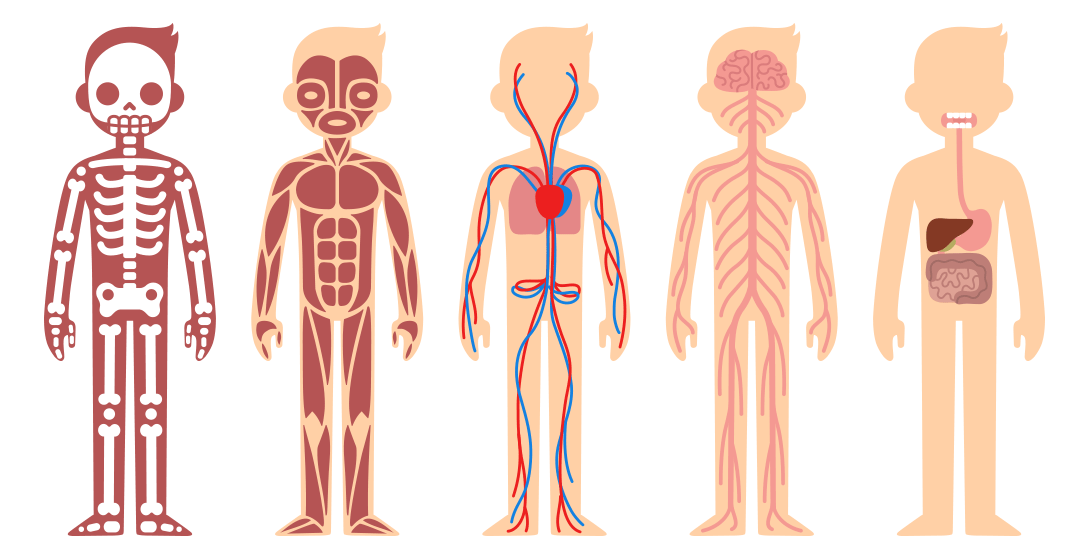
You're sure to get off on the right foot when you learn this list of words that derive from the Latin word pes and the Greek word podi, both meaning "foot." Want to dissect more English words related to anatomy? Here are links to our complete set of Body Language lists: Corp ("Body") / Capit, Capt ("Head") / Or, Os ("Mouth") / Dent, Dont ("Tooth") / Gastr, Gastro ("Stomach") / Neur ("Nerve") / Man ("Hand") / Ped, Pod ("Foot") / Derm ("Skin") / Carn ("Flesh") / Os, Osteo ("Bone") / Cor, Cord, Cardio ("Heart") / Psych ("Mind")

Twelve-year-old Shayla doesn't like to make waves—but as she navigates middle school and educates herself about prejudice in her community, she learns that sometimes it's good to cause a little trouble.