ado
Other forms: ados
Someone who makes a lot of ado about things has a tendency to make them more busy or complicated than they need to be.
A flurry of activity or a lot of complaining about a little problem are both examples of ado. It's an old fashioned word, dating back to the fourteenth century, when it meant "conflict or trouble." "At do" was a Norse version of the English phrase "to do," which was eventually shortened to ado. The most famous use of the word is probably in the title of Shakespeare's Much Ado About Nothing.
-
a rapid active commotion
- MLA
- APA
- Chicago
ado / adieu
Vocabulary lists containing ado
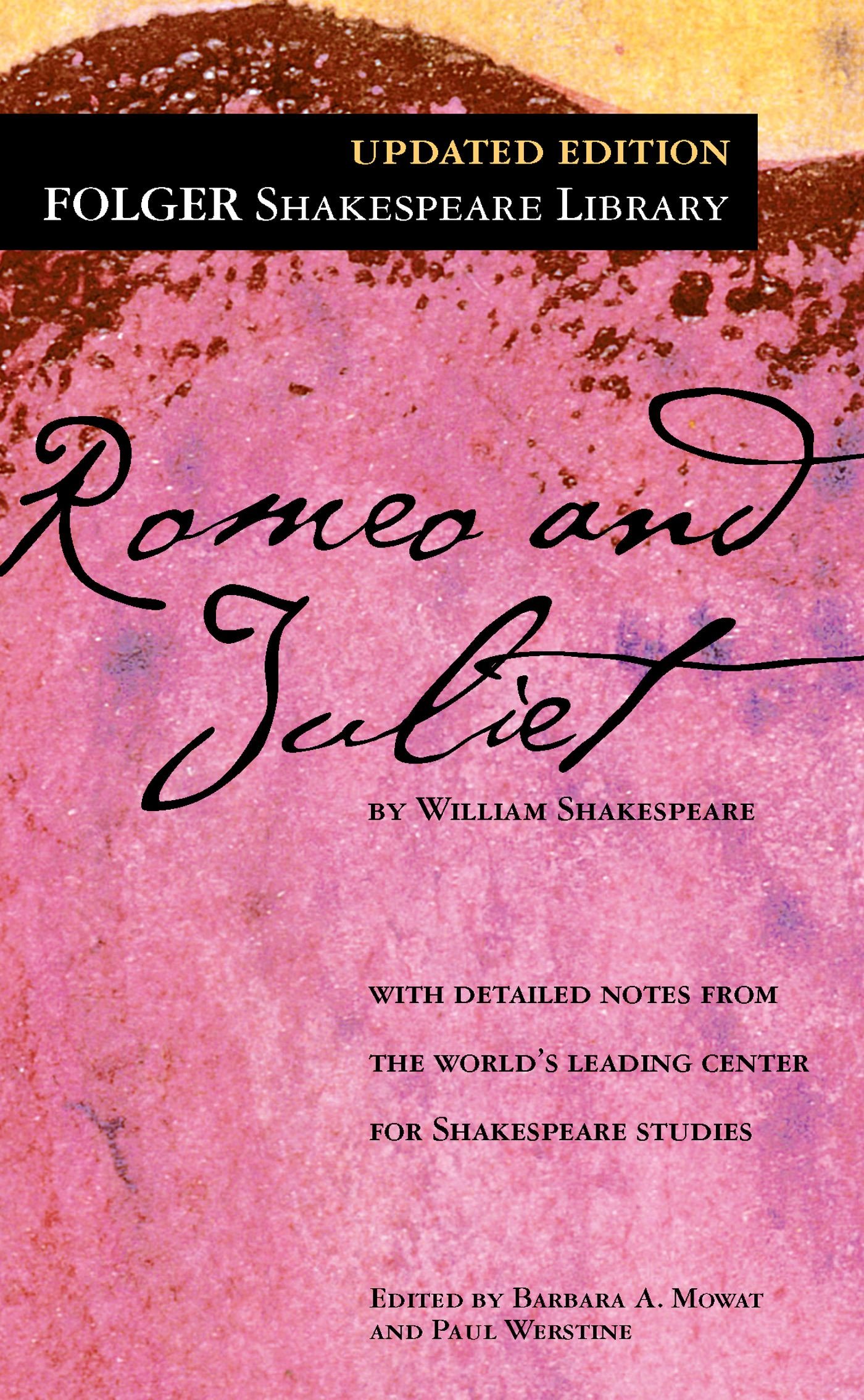
Sparks fly when Romeo and Juliet first meet, but their families are sworn enemies locked in an ancient feud. Learn these words from Shakespeare's classic tale of star-crossed love.
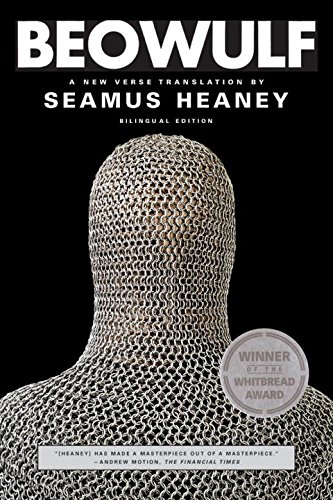
Nobel Prize-winning poet Seamus Heaney translates the Old English epic poem about a warrior's battles with a series of monsters.

Rafe Khatchadorian and his friend Leonardo come up with a game in which they earn points for breaking middle school rules. But a school bully discovers their journal full of the game's details and threatens to turn them in.